
Vaca atolada (beef ribs stewed with cassava)
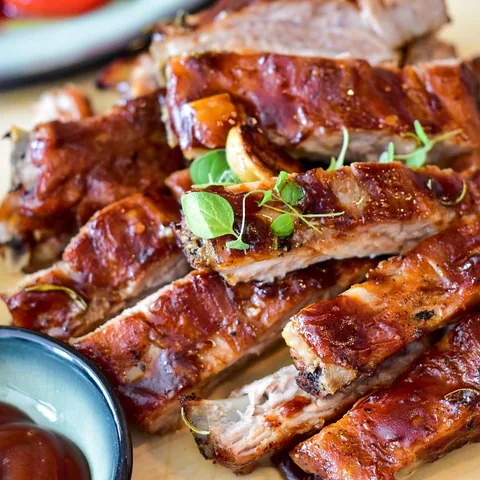
Vaca atolada, literally the cow stuck in the mud, is a rustic stew of beef ribs and cassava. As it cooks, the cassava breaks down and thickens the tomato broth into a dense, comforting sauce around the meat. It is a cold-weather dish, eaten in deep bowls, often with rice and greens.
Diets
Allergens
None of the 14 major allergens in a typical recipe.
What it is made of
Recipe
Ingredients
- 1.2 kg beef short ribs
- 1 kg cassava, peeled and chunked
- 1 onion, 4 garlic cloves
- 2 tomatoes
- 1 green bell pepper
- Parsley, salt, pepper
Method
- Season the ribs and brown them well in a heavy pot.
- Add onion, garlic, pepper and tomato and cook until soft.
- Cover with water and simmer, partly covered, for about 1.5 hours.
- Add the cassava and cook another 30-40 minutes until it is very soft and the sauce thickens.
- Adjust seasoning and finish with parsley.
How to make it lighter
- Chill the stew and lift off the solidified fat before reheating.
- Use more cassava and vegetables relative to meat.
- Serve without rice; the cassava is filling enough.
History
It comes from the rural interior of Minas Gerais and neighbouring states, and the playful name is said to evoke cattle mired in muddy roads during the rains. It remains a popular dish at country restaurants and winter festivals.
Count it in one photo
Point your camera at the table — Me Nutrition recognises Vaca atolada (beef ribs stewed with cassava) and every other dish, with calories and macros for each. Ate only half? Slide it.
Download on the App StoreSimilar dishes
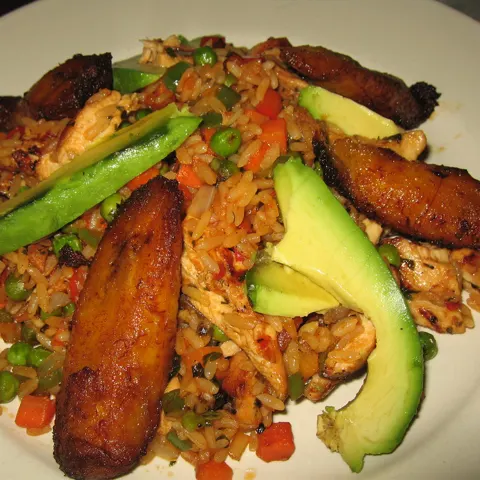
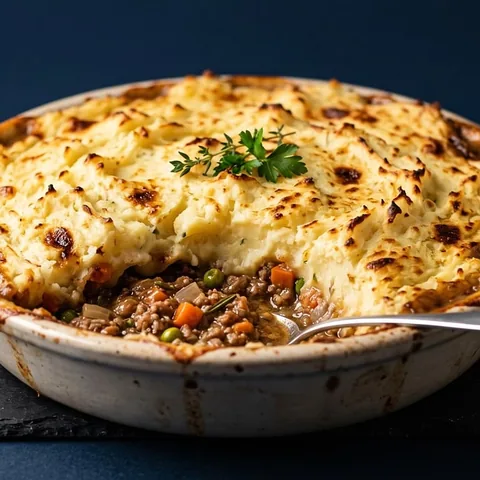
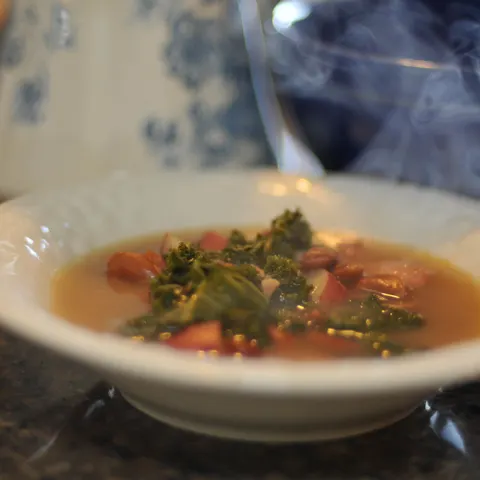
Values are estimates per 100 g for a typical recipe; home and restaurant versions vary. Diets and allergens are worked out from the ingredients of a typical recipe — always check with whoever cooked the dish. Not medical advice. Nutrition data: Me Nutrition dish database v15. How we count →