
Bubur kacang hijau (Indonesian mung bean porridge)
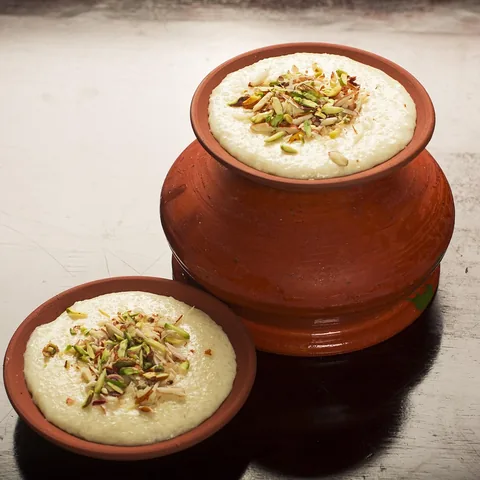
A warm, soupy porridge of split green mung beans, sweetened with palm sugar and enriched with coconut milk. It is soft, gently sweet and fragrant with pandan and ginger. In Indonesia it is eaten as a snack, a breakfast or a late-night treat, often from street carts.
Diets
Allergens
None of the 14 major allergens in a typical recipe.
What it is made of
Recipe
Ingredients
- 200 g mung beans
- 1.2 l water
- 100 g palm sugar
- 2 pandan leaves
- 2 cm ginger, sliced
- 200 ml coconut milk
- pinch of salt
Method
- Rinse the mung beans and soak them for 2 hours if you have time.
- Boil in the water with pandan and ginger until the beans burst, about 40 minutes.
- Add palm sugar and salt and stir until dissolved.
- Pour in the coconut milk and warm gently for 5 minutes without boiling hard.
- Serve hot, or let it cool a little and serve warm.
How to make it lighter
- Use light coconut milk to cut the fat.
- Reduce the palm sugar by a third; the beans are naturally sweet.
- Add a spoonful of grated fresh ginger for warmth instead of more sugar.
History
Mung beans have been grown across South and Southeast Asia for centuries. Sweet bean porridges are a familiar part of Indonesian everyday food, and this one is often served at gatherings and during Ramadan.
Count it in one photo
Point your camera at the table — Me Nutrition recognises Bubur kacang hijau (Indonesian mung bean porridge) and every other dish, with calories and macros for each. Ate only half? Slide it.
Download on the App StoreSimilar dishes


Values are estimates per 100 g for a typical recipe; home and restaurant versions vary. Diets and allergens are worked out from the ingredients of a typical recipe — always check with whoever cooked the dish. Not medical advice. Nutrition data: Me Nutrition dish database v15. How we count →