
Camarones a la diabla (devilled shrimp)
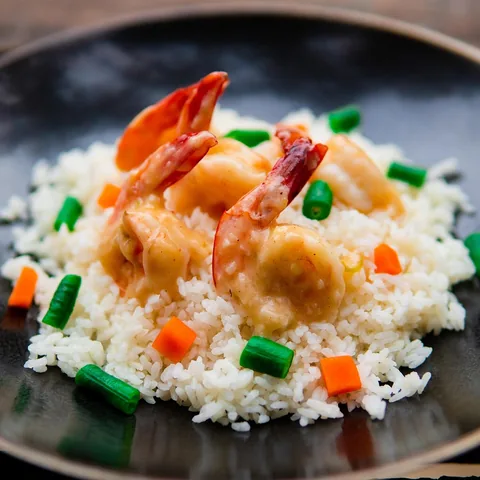
Camarones a la diabla are shrimp cooked quickly in a deep red, very spicy sauce made from dried chiles, chipotle in adobo, tomato and garlic. The sauce is glossy and smoky, with heat that builds as you eat. It is usually served with white rice, a simple salad and tortillas to soak up the sauce.
Diets
Allergens
Contains (in a typical recipe):
What it is made of
Recipe
Ingredients
- 600 g peeled shrimp
- 4 guajillo chiles, soaked
- 2 chipotles in adobo
- 2 tomatoes (250 g)
- 3 garlic cloves
- 1/2 onion (60 g)
- 20 g butter
- 1 tbsp oil, salt
Method
- Blend the soaked guajillos, chipotles, tomatoes, garlic and onion with a little soaking water until smooth.
- Heat butter and oil in a wide pan and fry the sauce for 6–8 minutes until it darkens and thickens.
- Season with salt.
- Add the shrimp and cook 3–4 minutes, just until pink and curled.
- Serve at once with rice and lime wedges.
How to make it lighter
- Replace the butter with a teaspoon of oil to cut saturated fat.
- Serve over cauliflower rice or with a big salad for a lighter plate.
- Use one chipotle and seeded chiles to tame the heat for sensitive eaters.
History
The dish is a staple of seafood restaurants along both Mexican coasts and in inland marisquerías. Its name, “devil style”, simply points to the heat, and cooks vary the chiles freely.
Count it in one photo
Point your camera at the table — Me Nutrition recognises Camarones a la diabla (devilled shrimp) and every other dish, with calories and macros for each. Ate only half? Slide it.
Download on the App StoreSimilar dishes
Values are estimates per 100 g for a typical recipe; home and restaurant versions vary. Diets and allergens are worked out from the ingredients of a typical recipe — always check with whoever cooked the dish. Not medical advice. Nutrition data: Me Nutrition dish database v15. How we count →