
Cha kroeung sach moan (Cambodian lemongrass chicken stir-fry)
Chicken pieces are stir-fried with kroeung, a paste of lemongrass, galangal, garlic and kaffir lime. Long beans or green vegetables and a sprinkle of peanuts are often added. The result is fragrant, savoury and slightly spicy, and it is eaten with rice.
Diets
Allergens
Contains (in a typical recipe):
What it is made of
Recipe
Ingredients
- 500 g chicken thigh, sliced
- 3 tbsp kroeung paste
- 2 tbsp oil
- 150 g long beans
- 1 tbsp fish sauce
- 1 tsp palm sugar
- chopped peanuts
Method
- Fry the kroeung in the oil for 2 minutes until fragrant.
- Add the chicken and stir-fry until browned.
- Add fish sauce, sugar and a splash of water.
- Add the beans and cook 5 minutes.
- Sprinkle with peanuts and serve with rice.
How to make it lighter
- Use chicken breast for less fat.
- Add more vegetables.
- Reduce the oil and fish sauce.
History
Kroeung is the backbone of Khmer cooking, and cha kroeung is a typical everyday stir-fry that can be made with chicken, beef, pork or fish. The word cha means stir-fry.
Count it in one photo
Point your camera at the table — Me Nutrition recognises Cha kroeung sach moan (Cambodian lemongrass chicken stir-fry) and every other dish, with calories and macros for each. Ate only half? Slide it.
Download on the App StoreSimilar dishes
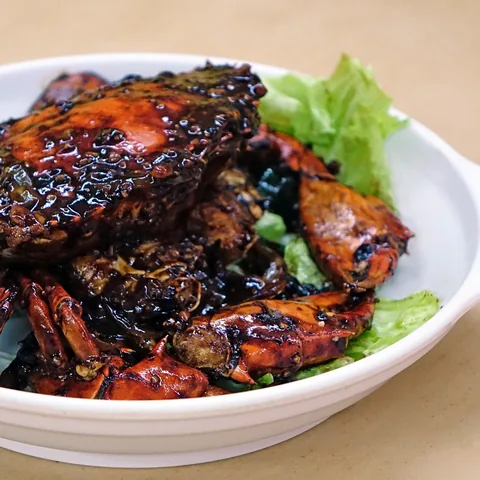

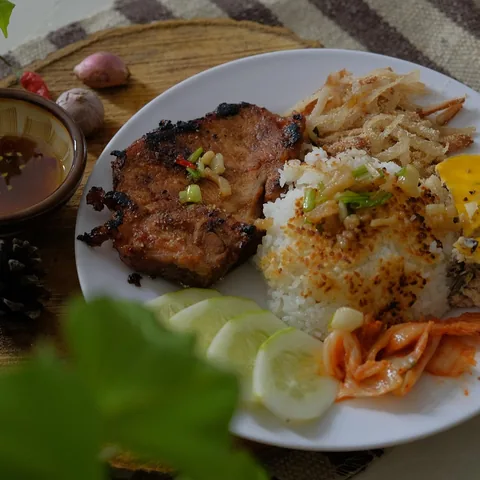
Values are estimates per 100 g for a typical recipe; home and restaurant versions vary. Diets and allergens are worked out from the ingredients of a typical recipe — always check with whoever cooked the dish. Not medical advice. Nutrition data: Me Nutrition dish database v15. How we count →