
Drob sarma (Bulgarian lamb offal and rice bake)
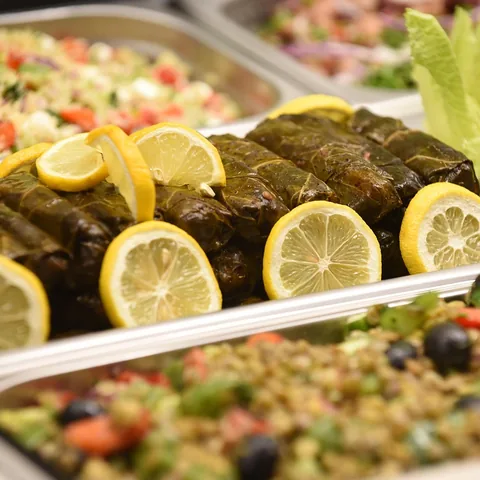
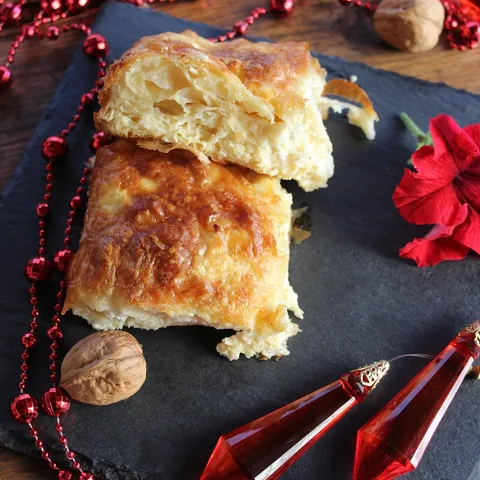
Drob sarma is a traditional Easter dish of lamb liver, lungs and heart cooked with rice, spring onions and herbs, baked and finished with a topping of egg and yogurt. It is rich, earthy and aromatic with fresh dill and mint. It is typically eaten on Easter Sunday after the long fast.
Diets
Allergens
Contains (in a typical recipe):
What it is made of
Recipe
Ingredients
- 400 g lamb liver, lungs and heart
- 1 bunch spring onions
- 150 g rice
- 3 tbsp oil
- dill, parsley, mint
- 2 eggs
- 200 g yogurt
- 1 tsp paprika
Method
- Boil the offal for 30 minutes and chop finely.
- Sauté spring onions in oil, add the offal and paprika.
- Stir in rice and herbs and a cup of hot water.
- Transfer to a baking dish and bake at 180 C for 40 minutes.
- Beat eggs with yogurt and pour over the top.
- Bake 15 more minutes until set and golden.
How to make it lighter
- Serve small portions as offal is high in cholesterol.
- Add more herbs and vegetables.
- Use less oil and top with extra yogurt.
History
Lamb is central to the Bulgarian Easter and Saint George's Day tables, and nothing of the animal is wasted. Drob sarma turns the offal into a hearty baked dish for the holiday.
Count it in one photo
Point your camera at the table — Me Nutrition recognises Drob sarma (Bulgarian lamb offal and rice bake) and every other dish, with calories and macros for each. Ate only half? Slide it.
Download on the App StoreSimilar dishes
Values are estimates per 100 g for a typical recipe; home and restaurant versions vary. Diets and allergens are worked out from the ingredients of a typical recipe — always check with whoever cooked the dish. Not medical advice. Nutrition data: Me Nutrition dish database v15. How we count →