
Enmoladas (tortillas in mole)
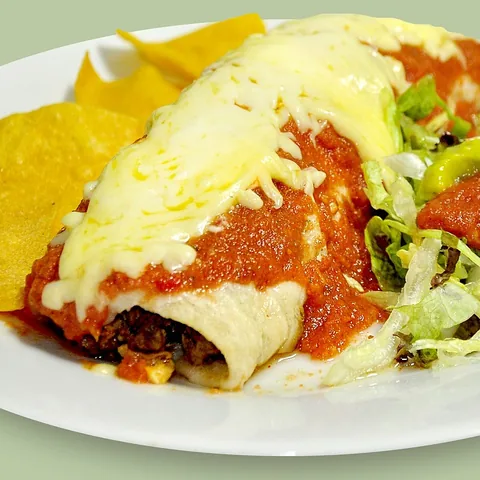
Enmoladas are enchiladas made with mole instead of a chile or tomato sauce. Warm tortillas are dipped in mole, often poblano or a dark Oaxacan mole, wrapped around shredded chicken and covered with more sauce. Sesame seeds, onion rings and crumbled cheese finish the plate. The taste is deep, slightly sweet and spiced, and the dish is a common way to enjoy leftover festive mole.
Diets
Allergens
Contains (in a typical recipe):
What it is made of
Recipe
Ingredients
- 12 corn tortillas
- 400 g cooked shredded chicken
- 500 ml prepared mole (thinned with broth)
- 2 tbsp sesame seeds
- 1/2 onion in rings
- 80 g queso fresco
- 1 tbsp oil
Method
- Warm the mole in a pan, thinning with broth to a pourable sauce.
- Soften the tortillas briefly on a hot griddle.
- Dip each tortilla in mole, fill with chicken and roll.
- Place three per plate and cover with more mole.
- Sprinkle with toasted sesame, onion and cheese.
How to make it lighter
- Thin the mole with extra broth to lighten the sauce.
- Use chicken breast and add a green salad on the side.
- Skip the cheese; the mole is rich enough alone.
History
Enmoladas are popular wherever mole is cooked, especially in Puebla and Oaxaca. Because a big pot of mole is usually made for celebrations, the leftovers often end up as enmoladas the next day.
Count it in one photo
Point your camera at the table — Me Nutrition recognises Enmoladas (tortillas in mole) and every other dish, with calories and macros for each. Ate only half? Slide it.
Download on the App StoreSimilar dishes
Values are estimates per 100 g for a typical recipe; home and restaurant versions vary. Diets and allergens are worked out from the ingredients of a typical recipe — always check with whoever cooked the dish. Not medical advice. Nutrition data: Me Nutrition dish database v15. How we count →