
Hodu-gwaja (walnut-shaped cakes with red bean filling)
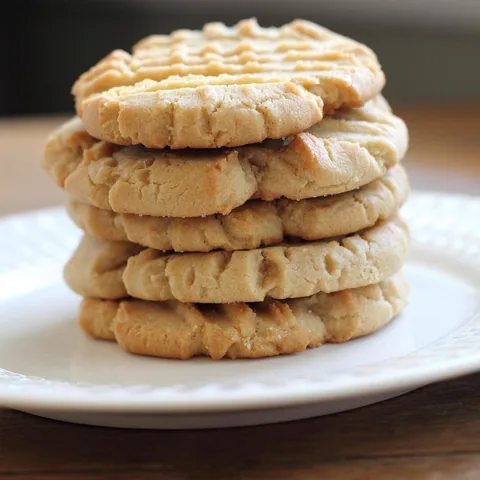
Hodu-gwaja are small golden cakes molded in the shape of a walnut, with a soft, slightly crisp shell around a filling of sweet red bean paste and a piece of walnut. They are sold hot in paper bags at stations and rest stops. The flavor is sweet and nutty, with a smooth bean center.
Diets
Allergens
Contains (in a typical recipe):
What it is made of
Recipe
Ingredients
- 250 g wheat flour
- 2 eggs (100 g)
- 80 g sugar
- 100 ml milk
- 200 g red bean paste
- 80 g chopped walnuts
- 1 tsp baking powder, 30 g butter
Method
- Whisk eggs, sugar, milk and melted butter, then fold in flour and baking powder to a smooth batter.
- Mix the red bean paste with the chopped walnuts and roll into small balls.
- Pour a little batter into the walnut-shaped mold, add a filling ball and cover with batter.
- Bake or cook in the mold on both sides until golden, about 5 minutes.
- Cool slightly and serve warm.
How to make it lighter
- Eat one or two as the cakes are sweet and dense.
- Use less sugar in the batter and filling.
- Make walnut halves bigger to add healthy fat and fibre.
History
Hodu-gwaja is associated with the city of Cheonan, where it became a station specialty in the mid twentieth century. Travelers began buying it on the train route, and it has since spread throughout Korea.
Count it in one photo
Point your camera at the table — Me Nutrition recognises Hodu-gwaja (walnut-shaped cakes with red bean filling) and every other dish, with calories and macros for each. Ate only half? Slide it.
Download on the App StoreSimilar dishes
Values are estimates per 100 g for a typical recipe; home and restaurant versions vary. Diets and allergens are worked out from the ingredients of a typical recipe — always check with whoever cooked the dish. Not medical advice. Nutrition data: Me Nutrition dish database v15. How we count →