
Hunan smoked pork with bamboo shoots (La rou chao sun)
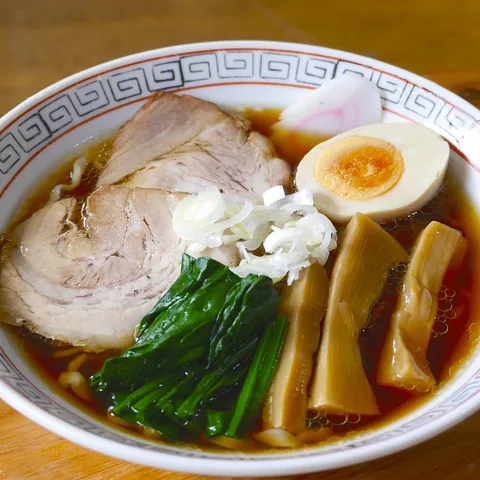
Cured and smoked pork belly is sliced and stir-fried with bamboo shoots, green chilies and garlic. The smoky, salty meat contrasts with the crunchy, mild bamboo, and the chilies add a sharp heat. It is a winter classic eaten with rice.
Diets
Allergens
Contains (in a typical recipe):
What it is made of
Recipe
Ingredients
- 250 g smoked cured pork belly
- 200 g bamboo shoots, sliced
- 2 green chilies, sliced
- 3 cloves garlic, sliced
- 1 tbsp fermented black beans
- 1 tsp soy sauce
- 1 tbsp oil
Method
- Steam or simmer the cured pork for 15 minutes to soften, then slice thinly.
- Blanch the bamboo shoots for 2 minutes and drain.
- Fry the pork in a dry wok until the fat turns translucent.
- Add garlic, black beans and chilies and stir-fry.
- Add bamboo and soy sauce and toss over high heat for 2 minutes.
How to make it lighter
- Boil the cured pork first to remove some salt.
- Use more bamboo and less meat.
- Skip extra soy sauce.
History
Smoking pork over the kitchen fire for winter storage is a long-standing tradition in rural Hunan. The cured meat, called la rou, is cooked with seasonal vegetables. Bamboo shoots or garlic leaves are common partners.
Count it in one photo
Point your camera at the table — Me Nutrition recognises Hunan smoked pork with bamboo shoots (La rou chao sun) and every other dish, with calories and macros for each. Ate only half? Slide it.
Download on the App StoreSimilar dishes
Values are estimates per 100 g for a typical recipe; home and restaurant versions vary. Diets and allergens are worked out from the ingredients of a typical recipe — always check with whoever cooked the dish. Not medical advice. Nutrition data: Me Nutrition dish database v15. How we count →