
Shubat (fermented camel milk)
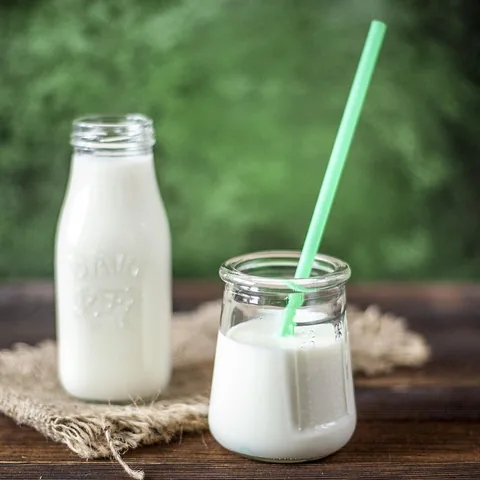
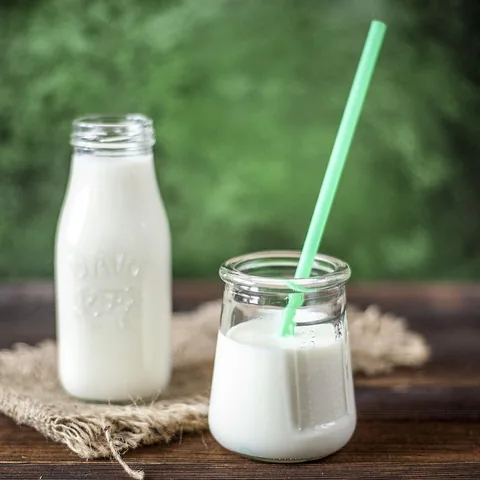
Shubat is camel milk left to ferment for a few days with a starter from a previous batch. It turns white, thick and pleasantly sour, with a gentle fizz and a richer body than cow's milk kefir. It is drunk chilled on its own, especially in summer, and is often sold in markets of southern Kazakhstan.
Diets
Allergens
Contains (in a typical recipe):
What it is made of
Recipe
Ingredients
- 1 l fresh camel milk
- 200 ml shubat from a previous batch (starter)
Method
- Pour the fresh camel milk into a clean glass or ceramic jar.
- Stir in the starter.
- Cover with a cloth and leave at room temperature.
- Stir several times a day for 1-2 days until it thickens and turns sour.
- Chill and serve cold, keeping a cup as starter for the next batch.
How to make it lighter
- Drink it plain, without added sugar.
- A glass makes a light snack between meals.
- Keep it refrigerated so the sourness stays mild.
History
Camel herding has long been part of life in the arid south and west of Kazakhstan, and shubat is one of its best-known products. The fermentation produces only a trace of alcohol, and the drink is valued as a refreshing, nourishing everyday beverage.
Count it in one photo
Point your camera at the table — Me Nutrition recognises Shubat (fermented camel milk) and every other dish, with calories and macros for each. Ate only half? Slide it.
Download on the App StoreSimilar dishes
Values are estimates per 100 g for a typical recipe; home and restaurant versions vary. Diets and allergens are worked out from the ingredients of a typical recipe — always check with whoever cooked the dish. Not medical advice. Nutrition data: Me Nutrition dish database v15. How we count →