
Ker sangri (Rajasthani desert beans and berries)
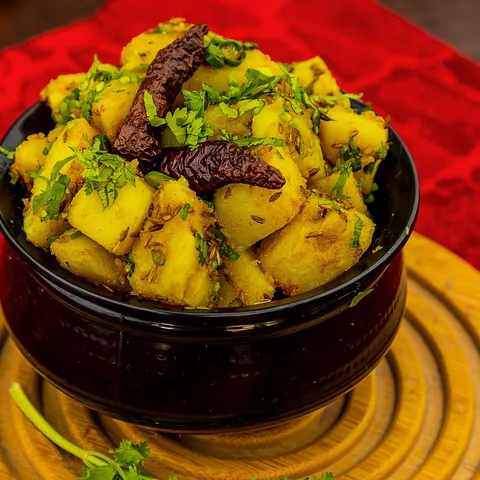
Ker sangri is a dry-style Rajasthani dish of two wild desert ingredients: ker, small tart berries, and sangri, long thin dried beans from the khejri tree. They are soaked, boiled and cooked with spices, sometimes with yogurt. The flavour is earthy, tangy and spicy, with a chewy texture. It is eaten with bajra roti or plain rice.
Diets
Allergens
Contains (in a typical recipe):
What it is made of
Recipe
Ingredients
- 100 g dried sangri beans
- 50 g dried ker berries
- 100 g plain yogurt
- 3 tbsp oil (45 ml)
- 1 tsp each cumin, coriander powder, chilli powder
- 1/2 tsp turmeric, 1/2 tsp amchur, 2 dried chillies, salt
Method
- Soak the sangri and ker overnight in water, then boil them until tender and drain.
- Heat the oil, add cumin and dried chillies, and fry briefly.
- Add the sangri and ker with all the spices and sauté for 5 minutes.
- Stir in the yogurt and a splash of water, and cook covered on low heat for 15 minutes.
- Cook uncovered until dry; serve with bajra roti.
How to make it lighter
- Use 2 tablespoons of oil.
- Serve with a large cucumber and onion salad.
- Choose a smaller portion of roti if watching carbohydrates.
History
Ker and sangri grow in the dry Thar desert and have been preserved by drying for centuries, which made them an important food in times of scarcity. The khejri is a revered tree in Rajasthan.
Count it in one photo
Point your camera at the table — Me Nutrition recognises Ker sangri (Rajasthani desert beans and berries) and every other dish, with calories and macros for each. Ate only half? Slide it.
Download on the App StoreSimilar dishes


Values are estimates per 100 g for a typical recipe; home and restaurant versions vary. Diets and allergens are worked out from the ingredients of a typical recipe — always check with whoever cooked the dish. Not medical advice. Nutrition data: Me Nutrition dish database v15. How we count →