
Kesari bath
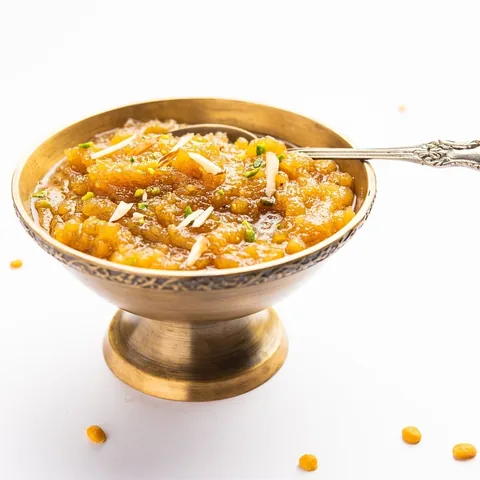
Kesari bath is a soft, golden semolina sweet from Karnataka, often paired with a savoury upma as chow chow bath. The semolina is roasted in ghee, then cooked in water or milk and sweetened with sugar. Saffron, cardamom and fried cashews give it colour, fragrance and a bit of crunch.
Diets
Allergens
Contains (in a typical recipe):
What it is made of
Recipe
Ingredients
- 150 g fine semolina (sooji)
- 80 g ghee
- 150 g sugar
- 450 ml water or milk
- A pinch of saffron soaked in 2 tbsp warm milk
- 1/2 tsp cardamom powder
- 30 g cashews and 20 g raisins
Method
- Fry the cashews and raisins in a spoonful of ghee until golden and set aside.
- Roast the semolina in 2 tbsp ghee on low heat for 5 minutes until fragrant.
- Boil the water or milk with the saffron in a separate pan.
- Pour the hot liquid slowly into the semolina, stirring constantly to avoid lumps.
- Add the sugar, cardamom and the rest of the ghee and cook until it leaves the sides of the pan.
- Fold in the cashews and raisins and serve warm.
How to make it lighter
- Use milk instead of ghee-heavy variants and cut the ghee to 50 g.
- Reduce the sugar by a quarter; saffron and cardamom carry the flavour.
- Pair it with a small portion of fruit to balance the sweetness.
History
Kesari bath is a staple of Karnataka's breakfast menus and temple offerings, and is similar to sheera or sooji halwa made elsewhere in India. Its saffron-yellow colour gives the name, as kesari means saffron-coloured. It is commonly served at weddings and festivals.
Count it in one photo
Point your camera at the table — Me Nutrition recognises Kesari bath and every other dish, with calories and macros for each. Ate only half? Slide it.
Download on the App StoreSimilar dishes
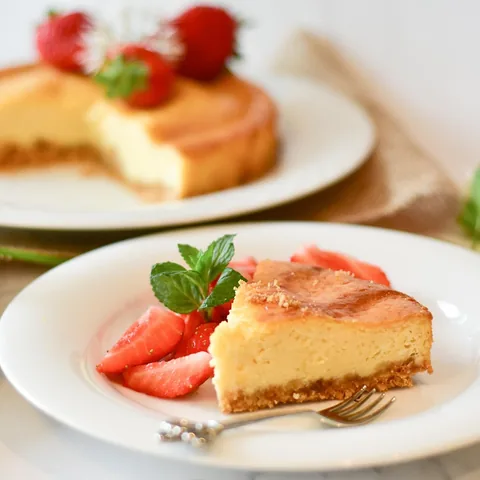
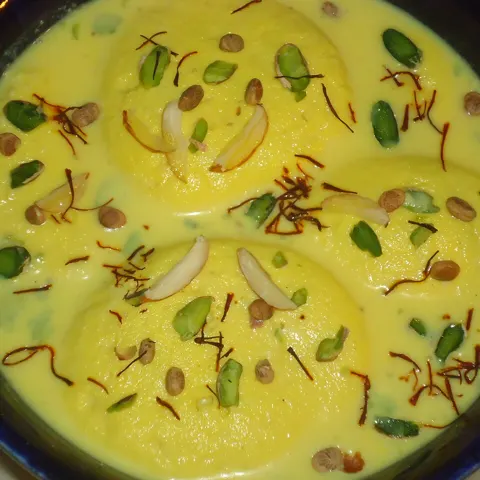
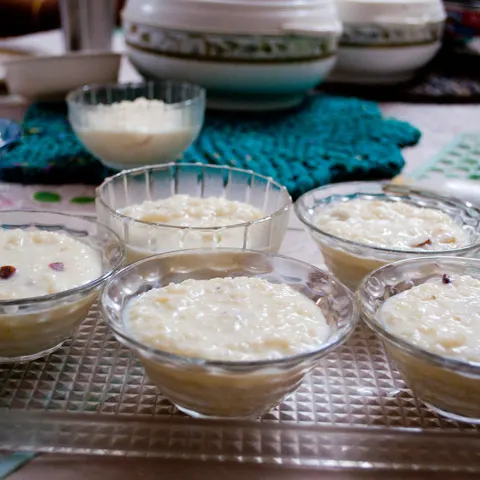
Values are estimates per 100 g for a typical recipe; home and restaurant versions vary. Diets and allergens are worked out from the ingredients of a typical recipe — always check with whoever cooked the dish. Not medical advice. Nutrition data: Me Nutrition dish database v15. How we count →