
Marquesitas (Yucatán crisp crepe roll)
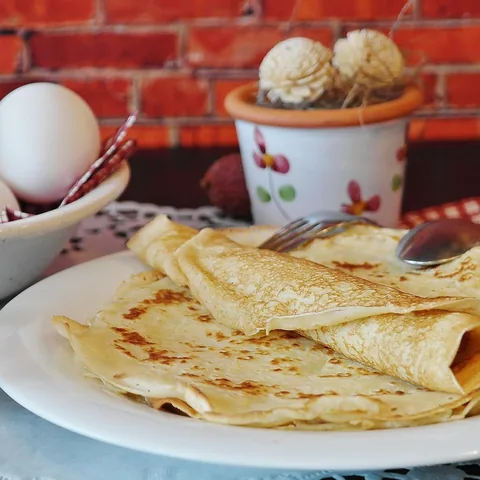
Marquesitas are thin batter crepes baked in a clamshell iron until they turn crisp like a wafer cone, then quickly rolled into a tube. The classic filling is grated Edam cheese, often paired with chocolate-hazelnut spread, cajeta or jam. The salty-sweet mix is the whole point, and they are eaten warm from the cart while strolling.
Diets
Allergens
Contains (in a typical recipe):
What it is made of
Recipe
Ingredients
- 120 g flour
- 40 g sugar
- 1 egg
- 250 ml milk
- 1 tsp vanilla
- 80 g grated Edam
- 4 tbsp chocolate-hazelnut spread
Method
- Whisk flour, sugar, egg, milk and vanilla into a smooth thin batter.
- Heat a waffle-cone or pizzelle iron and grease it lightly.
- Pour a thin layer of batter, close and cook 1-2 minutes until golden and crisp.
- Open, spread a strip of hazelnut spread and sprinkle with Edam.
- Roll immediately into a tube before it hardens and serve warm.
How to make it lighter
- Use half the cheese and a thin smear of spread to cut calories.
- Try sliced banana or strawberries instead of the chocolate spread.
- Share one marquesita as a dessert rather than eating it as a snack between meals.
History
Marquesitas are a street snack of Mérida and the wider Yucatán, where vendors sell them in plazas in the evening. Edam cheese, imported through the port trade, has long been popular in the peninsula and became the signature filling.
Count it in one photo
Point your camera at the table — Me Nutrition recognises Marquesitas (Yucatán crisp crepe roll) and every other dish, with calories and macros for each. Ate only half? Slide it.
Download on the App StoreSimilar dishes


Values are estimates per 100 g for a typical recipe; home and restaurant versions vary. Diets and allergens are worked out from the ingredients of a typical recipe — always check with whoever cooked the dish. Not medical advice. Nutrition data: Me Nutrition dish database v15. How we count →