
Mexican milanesa (breaded beef cutlet)
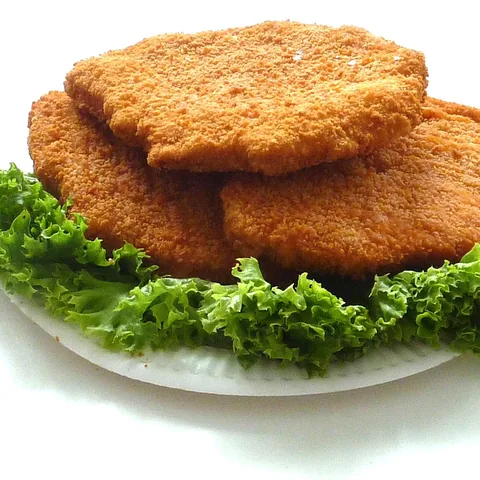
Mexican milanesa is a beef steak pounded very thin, dipped in egg and breadcrumbs and fried until crunchy. It is usually served with a squeeze of lime, rice or fries, salad and refried beans. It is a mainstay of fondas, home lunches and school lunchboxes.
Diets
Allergens
Contains (in a typical recipe):
What it is made of
Recipe
Ingredients
- 4 thin beef steaks (about 600 g)
- 2 eggs
- 150 g breadcrumbs
- 50 g flour
- Oil for frying
- 2 limes
Method
- Pound the steaks very thin between sheets of plastic and season with salt and pepper.
- Dust each steak with flour, dip in beaten egg and press into breadcrumbs.
- Heat a thin layer of oil in a wide pan.
- Fry each milanesa 2–3 minutes per side until golden.
- Drain on paper and serve with lime wedges.
How to make it lighter
- Bake on a rack at 220 °C with a light spray of oil instead of frying.
- Use whole-wheat breadcrumbs for extra fibre.
- Serve with salad and beans instead of fries.
History
Breaded cutlets arrived in Latin America with European immigrants, and the name points to the Milanese cotoletta. In Mexico the dish became so common that butchers sell beef already sliced and labelled for milanesa.
Count it in one photo
Point your camera at the table — Me Nutrition recognises Mexican milanesa (breaded beef cutlet) and every other dish, with calories and macros for each. Ate only half? Slide it.
Download on the App StoreSimilar dishes
Values are estimates per 100 g for a typical recipe; home and restaurant versions vary. Diets and allergens are worked out from the ingredients of a typical recipe — always check with whoever cooked the dish. Not medical advice. Nutrition data: Me Nutrition dish database v15. How we count →