
Narsharab (pomegranate sauce)
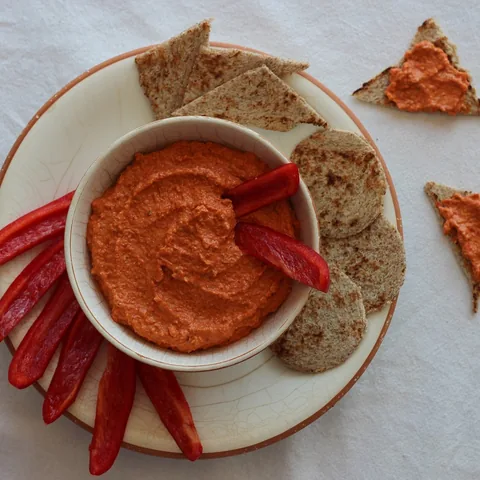
Narsharab is a dark, syrupy sauce made by boiling down sour pomegranate juice until only a fraction remains. It tastes intensely sweet and sour at the same time, sometimes with a hint of coriander, cinnamon or bay leaf. In Georgia it is drizzled over grilled meat, fish and kebabs, and used to brighten salads and marinades.
Diets
Allergens
None of the 14 major allergens in a typical recipe.
What it is made of
Recipe
Ingredients
- 2 litres fresh sour pomegranate juice
- ½ tsp salt
- ½ tsp ground coriander
- 1 small piece of cinnamon (optional)
Method
- Pour the juice into a wide, heavy pot and bring to a boil.
- Lower the heat and simmer uncovered, skimming any foam.
- Keep reducing for 1-1½ hours, stirring more often towards the end.
- Stop when the sauce coats a spoon thickly – about one-fifth of the original volume.
- Season with salt and spices, cool and store in a sealed bottle.
How to make it lighter
- It is concentrated sugar – a teaspoon per portion is enough.
- Use it in salad dressings instead of sugar or honey.
- Brush onto grilled meat or fish instead of oily marinades.
History
Narsharab is common across the South Caucasus and is especially associated with Azerbaijani cooking, as well as Georgian regions where pomegranates grow. It was traditionally made at home in autumn after the pomegranate harvest.
Count it in one photo
Point your camera at the table — Me Nutrition recognises Narsharab (pomegranate sauce) and every other dish, with calories and macros for each. Ate only half? Slide it.
Download on the App StoreSimilar dishes
Values are estimates per 100 g for a typical recipe; home and restaurant versions vary. Diets and allergens are worked out from the ingredients of a typical recipe — always check with whoever cooked the dish. Not medical advice. Nutrition data: Me Nutrition dish database v15. How we count →