
Pepes ikan (Sundanese fish in banana leaf)
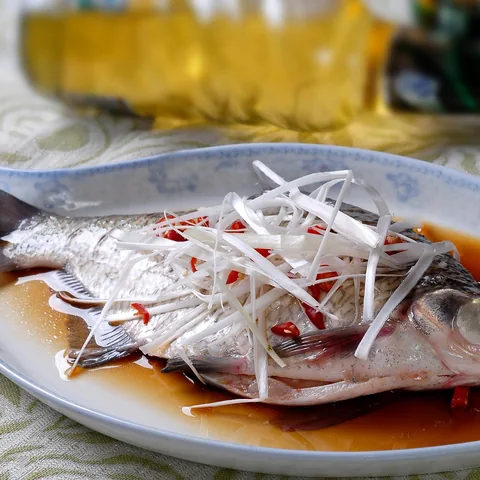
Pepes ikan is fresh fish smothered in a paste of shallot, garlic, chili, turmeric and lemongrass, with Thai basil and tomato tucked in, then wrapped in banana leaf. Steaming locks in the moisture and a quick turn on the grill adds a smoky edge. The parcel is opened at the table and eaten with rice.
Diets
Allergens
Contains (in a typical recipe):
What it is made of
Recipe
Ingredients
- 500 g whole fish or fillets (mackerel or tilapia)
- 6 shallots, 4 garlic cloves, 3 red chilies, ground
- 1 tsp ground turmeric, 1 stalk lemongrass, bruised
- 1 tomato, sliced
- 1 handful Thai basil
- 1 tbsp lime juice and salt
- 4 banana leaves, softened over a flame
- Toothpicks to seal
Method
- Rub the fish with lime juice and salt.
- Mix the fish with the spice paste, tomato and basil.
- Divide into four portions and wrap each in banana leaf, securing with toothpicks.
- Steam for 30 minutes.
- Grill the parcels 3 to 5 minutes per side until lightly charred.
- Open and serve with rice and fresh cucumber.
How to make it lighter
- Steaming and grilling needs almost no oil, so it is a lean way to eat fish.
- Use oily fish such as mackerel for omega-3.
- Reduce the chilies if serving to children.
History
Wrapping food in leaves and cooking it over embers is an old technique across Southeast Asia, and pepes is the Sundanese version of it. Fish such as mackerel, carp or tilapia are commonly used.
Count it in one photo
Point your camera at the table — Me Nutrition recognises Pepes ikan (Sundanese fish in banana leaf) and every other dish, with calories and macros for each. Ate only half? Slide it.
Download on the App StoreSimilar dishes
Values are estimates per 100 g for a typical recipe; home and restaurant versions vary. Diets and allergens are worked out from the ingredients of a typical recipe — always check with whoever cooked the dish. Not medical advice. Nutrition data: Me Nutrition dish database v15. How we count →