
Lechon baboy (Cebu spit-roast pig)
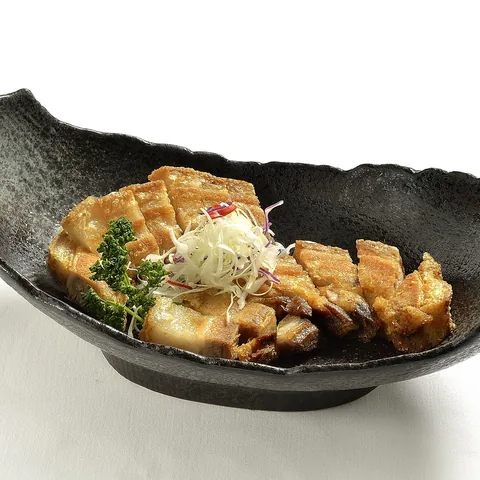
Cebu lechon is a whole pig seasoned inside with lemongrass, scallions, garlic and pepper, then turned slowly over charcoal. The skin turns brittle and golden while the meat stays juicy and fragrant. It is carved at the table and eaten with rice and a liver-based or vinegar dipping sauce.
Diets
Allergens
None of the 14 major allergens in a typical recipe.
What it is made of
Recipe
Ingredients
- Whole suckling pig, about 10 kg
- 10 stalks lemongrass
- 8 scallion stalks
- 2 heads garlic
- 2 tbsp black pepper
- 3 tbsp salt
- Banana leaves (optional)
Method
- Rub the cavity with salt and pepper.
- Stuff with lemongrass, scallions and garlic and sew closed.
- Skewer on a long pole and secure.
- Roast over charcoal 4 to 5 hours, turning constantly.
- Brush skin with a little oil near the end for crispness.
- Rest 15 minutes, then chop and serve.
How to make it lighter
- Remove excess skin fat before eating.
- Serve with a large portion of vegetables.
- Keep portions small, it is a rich dish.
History
Roast pig is the centerpiece of Filipino celebrations such as fiestas, weddings and Christmas. Cebu is especially known for its version, which is flavored from the inside rather than with a heavy sauce.
Count it in one photo
Point your camera at the table — Me Nutrition recognises Lechon baboy (Cebu spit-roast pig) and every other dish, with calories and macros for each. Ate only half? Slide it.
Download on the App StoreSimilar dishes
Values are estimates per 100 g for a typical recipe; home and restaurant versions vary. Diets and allergens are worked out from the ingredients of a typical recipe — always check with whoever cooked the dish. Not medical advice. Nutrition data: Me Nutrition dish database v15. How we count →