
Pernil (Puerto Rican roast pork shoulder)
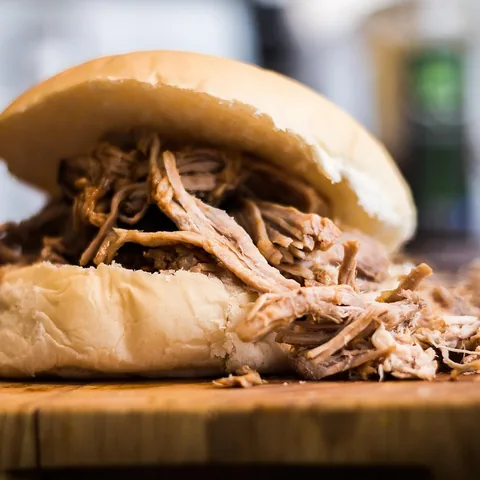
Pernil is a whole pork shoulder rubbed with a paste of garlic, oregano and vinegar and roasted slowly until the meat falls apart and the skin turns crisp and glassy. It tastes deeply garlicky and savory. It is served with arroz con gandules and is the centerpiece of holiday meals.
Diets
Allergens
None of the 14 major allergens in a typical recipe.
What it is made of
Recipe
Ingredients
- 2.5 kg bone-in pork shoulder with skin
- 10 garlic cloves
- 2 tbsp dried oregano
- 3 tbsp olive oil
- 3 tbsp vinegar
- 2 tbsp salt
- 1 tsp black pepper
Method
- Pound the garlic with salt, oregano, oil, vinegar and pepper into a paste.
- Score the skin and cut deep slits into the meat, pushing paste into them.
- Rub the rest over the pork and marinate overnight.
- Roast skin side down at 160 C for 3 hours, then turn skin side up.
- Raise to 220 C for 30-40 minutes until the skin is crisp.
- Rest 20 minutes, then chop or pull the meat with some skin.
How to make it lighter
- Remove the fat and skin before eating to cut calories.
- Roast on a rack so fat drips away.
- Pair with beans, salad or vegetables instead of extra rice.
History
Slow-roasted pork is a cornerstone of Puerto Rican celebrations, especially at Christmas. The garlic and oregano seasoning reflects Spanish heritage on the island.
Count it in one photo
Point your camera at the table — Me Nutrition recognises Pernil (Puerto Rican roast pork shoulder) and every other dish, with calories and macros for each. Ate only half? Slide it.
Download on the App StoreSimilar dishes

Values are estimates per 100 g for a typical recipe; home and restaurant versions vary. Diets and allergens are worked out from the ingredients of a typical recipe — always check with whoever cooked the dish. Not medical advice. Nutrition data: Me Nutrition dish database v15. How we count →