
Refresco de maracuyá (passion fruit juice)
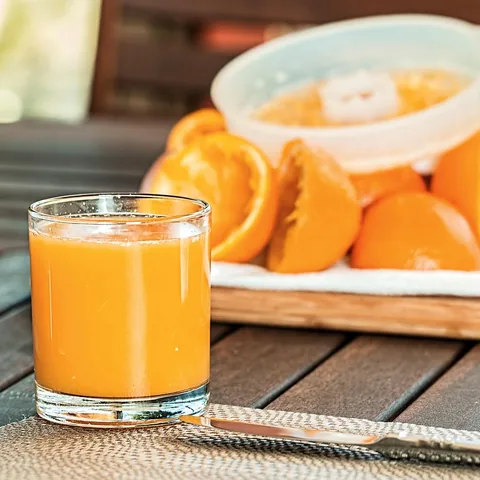
Refresco de maracuyá is one of the everyday drinks served with lunch across Peru. Yellow passion fruit pulp is briefly blended with cold water, then strained to remove the black seeds and sweetened to taste. The result is bright yellow, very aromatic and pleasantly sour, and it cuts through rich dishes such as ceviche or fried food. Many menu restaurants offer it free with the set meal.
Diets
Allergens
None of the 14 major allergens in a typical recipe.
What it is made of
Recipe
Ingredients
- 6 passion fruits (about 200 g pulp)
- 1.5 litres cold water
- 100 g sugar
- ice
Method
- Cut the passion fruits in half and scoop out the pulp.
- Pulse the pulp with half the water just a few seconds so the seeds stay whole.
- Strain through a sieve, pressing the pulp.
- Add the remaining water and sugar and stir to dissolve.
- Serve very cold over ice.
How to make it lighter
- Halve the sugar or use a little stevia.
- Dilute it more for a lighter, very low-calorie drink.
- Drink it with meals instead of soft drinks.
History
Passion fruit grows widely in Peru's warm coastal and jungle valleys. Fresh fruit drinks, or refrescos, are a standard part of the Peruvian menú, and maracuyá is among the most popular together with chicha morada.
Count it in one photo
Point your camera at the table — Me Nutrition recognises Refresco de maracuyá (passion fruit juice) and every other dish, with calories and macros for each. Ate only half? Slide it.
Download on the App StoreSimilar dishes


Values are estimates per 100 g for a typical recipe; home and restaurant versions vary. Diets and allergens are worked out from the ingredients of a typical recipe — always check with whoever cooked the dish. Not medical advice. Nutrition data: Me Nutrition dish database v15. How we count →