
Socată (Romanian elderflower drink)
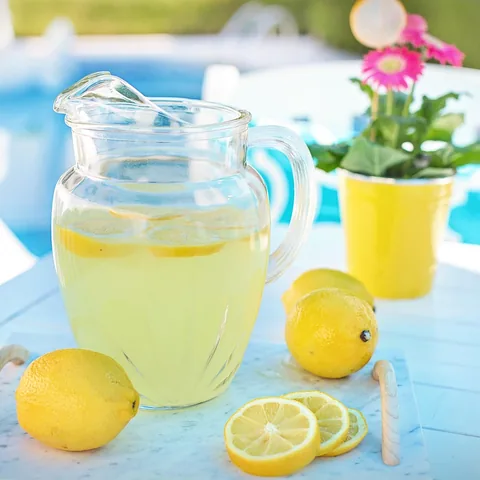
Socată is a pale, aromatic summer drink made by steeping elderflower heads in sweetened water with lemon and letting it ferment for two or three days. It turns lightly sparkling, tangy and floral. Served ice cold, it is a favourite village refreshment during harvest and is sold in bottles in summer.
Diets
Allergens
None of the 14 major allergens in a typical recipe.
What it is made of
Recipe
Ingredients
- 6 elderflower heads, shaken to remove insects
- 2000 ml water
- 150 g sugar
- 2 lemons, sliced
- 1 pinch of yeast or a spoon of yogurt
Method
- Dissolve the sugar in the water.
- Add the elderflowers, lemon slices and a pinch of yeast to a clean glass jar.
- Pour the sugar water over and cover with a cloth.
- Leave at room temperature for 2 to 3 days, stirring daily, until slightly bubbly.
- Strain, bottle and refrigerate; drink within a week.
How to make it lighter
- Cut the sugar by a third for a lighter drink; fermentation will be slower.
- Dilute with sparkling water to reduce sugar per glass.
- Refrigerate once fizzy to stop fermentation and keep alcohol negligible.
History
Elderflower grows wild across Romania and has long been used for syrups, teas and fermented drinks. Socată is a traditional home fermentation, close to elderflower cordials found throughout Central Europe. Only brief fermentation is used, so the alcohol content remains negligible.
Count it in one photo
Point your camera at the table — Me Nutrition recognises Socată (Romanian elderflower drink) and every other dish, with calories and macros for each. Ate only half? Slide it.
Download on the App StoreSimilar dishes
Values are estimates per 100 g for a typical recipe; home and restaurant versions vary. Diets and allergens are worked out from the ingredients of a typical recipe — always check with whoever cooked the dish. Not medical advice. Nutrition data: Me Nutrition dish database v15. How we count →