
Sabudana khichdi
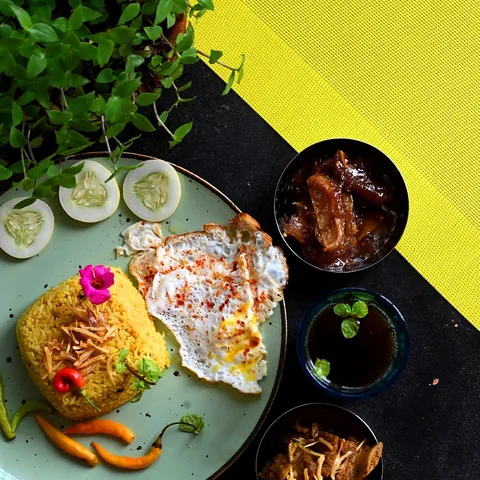
Sabudana khichdi is a popular Maharashtrian dish, especially on fasting days. Tapioca pearls are soaked until soft, then tossed with roasted peanuts, potato, cumin and green chilli. Done right, each pearl stays separate and translucent, with a pleasant chew and a nutty crunch.
Diets
Allergens
Contains (in a typical recipe):
What it is made of
Recipe
Ingredients
- 200 g sabudana (tapioca pearls)
- 80 g roasted peanuts, coarsely crushed
- 1 medium potato, diced
- 2 tbsp ghee or oil
- 1 tsp cumin seeds
- 2 green chillies, chopped
- Salt, sugar pinch, lemon juice, fresh coriander
Method
- Rinse the sabudana until the water runs clear, then soak with just enough water to cover for 4-6 hours.
- Drain well and mix with crushed peanuts, salt and a pinch of sugar.
- Heat the ghee and splutter the cumin and green chillies.
- Fry the potato until tender and lightly browned.
- Add the sabudana mixture and stir gently on medium heat for 5-6 minutes until translucent.
- Finish with lemon juice and coriander.
How to make it lighter
- Do not over-soak the pearls or they turn gluey; they should be soft but separate.
- Use less ghee and add more potato or vegetables to lower the calories.
- Serve with plain yogurt for extra protein.
History
Sabudana is made from the starch of the cassava root, which became an important crop in India in the nineteenth century. Because it is a root-based starch, it is widely eaten during religious fasts such as Navratri and Ekadashi. The dish is also a common breakfast and tiffin item in Maharashtra.
Count it in one photo
Point your camera at the table — Me Nutrition recognises Sabudana khichdi and every other dish, with calories and macros for each. Ate only half? Slide it.
Download on the App StoreSimilar dishes
Values are estimates per 100 g for a typical recipe; home and restaurant versions vary. Diets and allergens are worked out from the ingredients of a typical recipe — always check with whoever cooked the dish. Not medical advice. Nutrition data: Me Nutrition dish database v15. How we count →