
Sangak (Persian pebble flatbread)
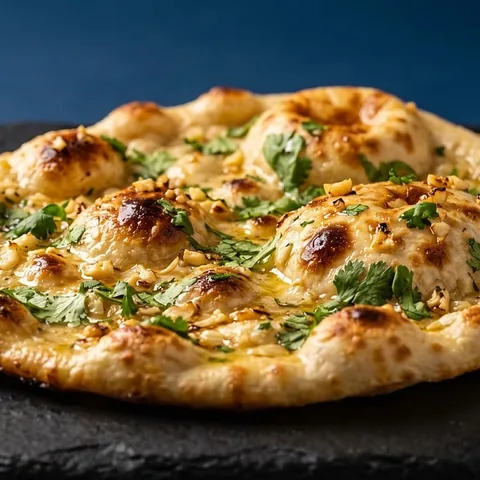
Sangak is a large, thin whole-wheat sourdough flatbread baked on a bed of hot pebbles. The dough is stretched across a paddle and laid on the stones, which leave small dimples in the bread. It is chewy, nutty and slightly sour, often sprinkled with sesame or poppy seeds.
Diets
Allergens
Contains (in a typical recipe):
What it is made of
Recipe
Ingredients
- 500 g whole-wheat flour
- 50 g sourdough starter or 3 g yeast
- 350 ml warm water
- 8 g salt
- 1 tbsp sesame seeds
Method
- Mix flour, starter, water and salt into a very soft dough.
- Let it ferment 6-8 hours at room temperature.
- Divide into two and stretch each thinly on a floured tray.
- Bake on a very hot baking stone or preheated heavy tray at 250 C.
- Sprinkle with sesame and bake 4-6 minutes until blistered and golden.
How to make it lighter
- Whole wheat gives more fibre than white bread.
- Use as a scoop for salads, herbs and yogurt dips.
- Watch the portion; one large piece is several servings.
History
Sangak means 'little stone' in Persian and is one of Iran's traditional national breads. It is typically baked in specialist bakeries in long tunnel-like ovens and sold hot by weight.
Count it in one photo
Point your camera at the table — Me Nutrition recognises Sangak (Persian pebble flatbread) and every other dish, with calories and macros for each. Ate only half? Slide it.
Download on the App StoreSimilar dishes
Values are estimates per 100 g for a typical recipe; home and restaurant versions vary. Diets and allergens are worked out from the ingredients of a typical recipe — always check with whoever cooked the dish. Not medical advice. Nutrition data: Me Nutrition dish database v15. How we count →