
Ishlekli (Turkmen meat pie)
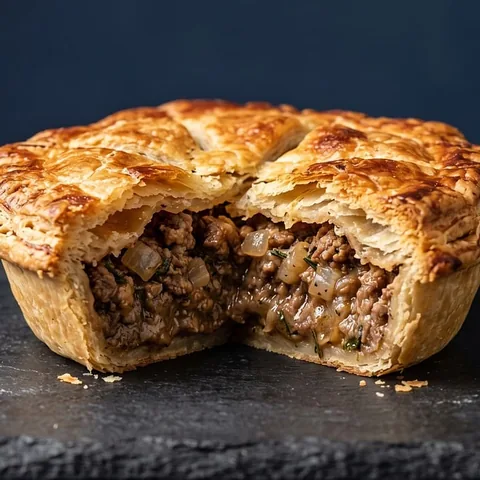
Ishlekli is a big, flat round pie made of two layers of plain dough enclosing chopped mutton, lots of onion, pepper and a little fat. Shepherds and desert travellers baked it by burying it in sand heated by a fire, while at home it goes into the oven or a tandoor. The crust turns firm and crisp and the inside stays juicy; it is cut into wedges and shared.
Diets
Allergens
Contains (in a typical recipe):
What it is made of
Recipe
Ingredients
- 500 g flour
- 250 ml water
- 600 g mutton, finely chopped
- 3 onions, finely chopped
- 40 g butter
- salt, black pepper
Method
- Knead flour, water and salt into a firm dough; rest 20 minutes.
- Mix the meat with onion, salt and plenty of pepper.
- Divide the dough in two and roll each into a large thin circle.
- Spread the filling on one circle, cover with the other and seal the edges, pricking the top.
- Bake at 200 °C for about 50 minutes, then brush with butter and cut into wedges.
How to make it lighter
- Use lean meat or a mix of meat and chopped vegetables.
- Skip the butter on top.
- Serve with a large fresh salad instead of bread.
History
Ishlekli is linked to the nomadic, pastoral life of the Karakum desert, where cooking in hot sand was practical. Today it remains a much-loved dish for family meals and outings.
Count it in one photo
Point your camera at the table — Me Nutrition recognises Ishlekli (Turkmen meat pie) and every other dish, with calories and macros for each. Ate only half? Slide it.
Download on the App StoreSimilar dishes
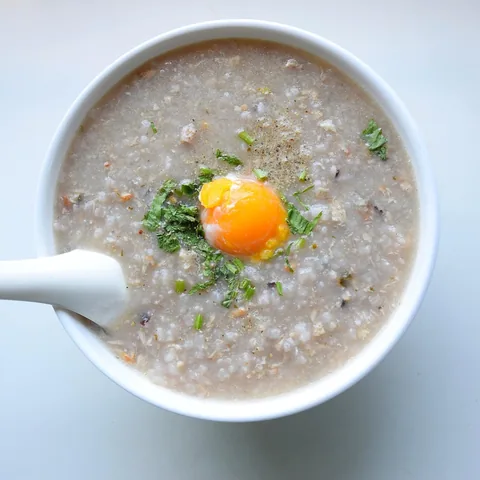
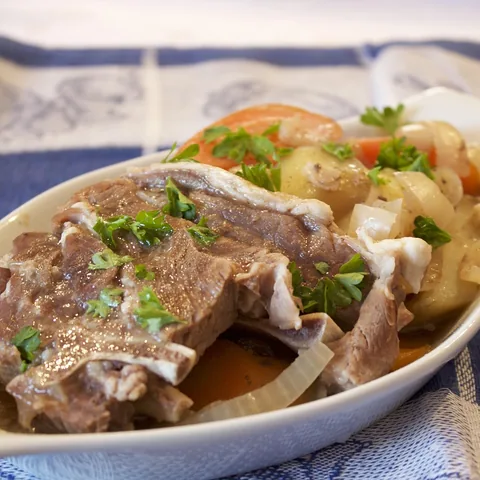
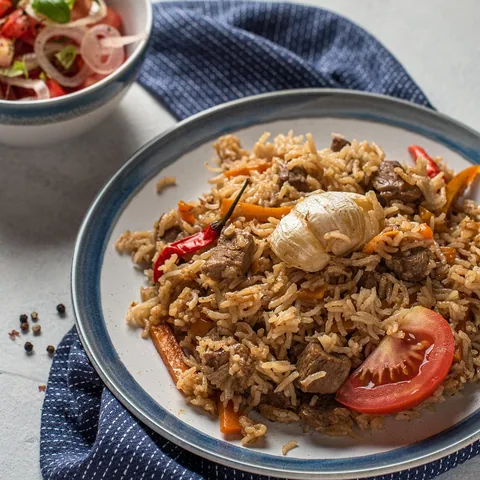
Values are estimates per 100 g for a typical recipe; home and restaurant versions vary. Diets and allergens are worked out from the ingredients of a typical recipe — always check with whoever cooked the dish. Not medical advice. Nutrition data: Me Nutrition dish database v15. How we count →