
Yarma (Turkmen crushed wheat porridge)
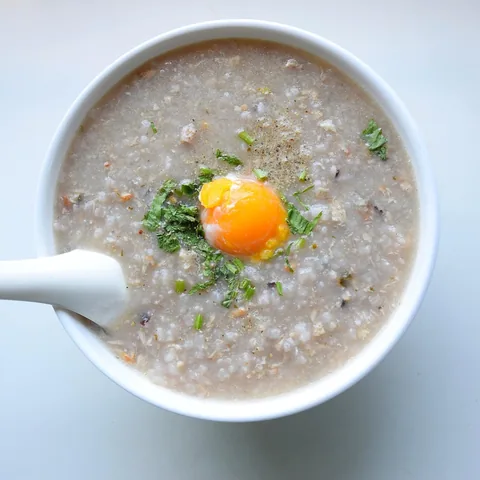
Yarma is a thick, velvety porridge made from crushed wheat cooked for a long time with mutton until the meat falls apart and blends into the grain. It is stirred patiently so it turns smooth, then served with melted butter or fried onion on top. It is filling and gently flavoured, a dish of warmth and hospitality.
Diets
Allergens
Contains (in a typical recipe):
What it is made of
Recipe
Ingredients
- 300 g crushed wheat
- 500 g mutton or lamb
- 2 l water
- 1 onion
- 40 g butter
- salt
Method
- Soak the crushed wheat for a few hours or overnight.
- Simmer the mutton in water with a whole onion until very tender, about 1.5 hours.
- Take out the meat, shred it and return it to the pot with the drained wheat.
- Cook on low heat for about 1 hour, stirring often, until thick and smooth.
- Season with salt and serve with melted butter on top.
How to make it lighter
- Use less butter or swap it for a drizzle of oil.
- Use lean meat and skim the broth.
- Serve with a fresh vegetable salad.
History
Yarma is traditionally prepared in large cauldrons for gatherings, memorial meals and religious occasions, and is often shared with neighbours. Related wheat-and-meat porridges such as haleem are found from the Middle East to South Asia.
Count it in one photo
Point your camera at the table — Me Nutrition recognises Yarma (Turkmen crushed wheat porridge) and every other dish, with calories and macros for each. Ate only half? Slide it.
Download on the App StoreSimilar dishes
Values are estimates per 100 g for a typical recipe; home and restaurant versions vary. Diets and allergens are worked out from the ingredients of a typical recipe — always check with whoever cooked the dish. Not medical advice. Nutrition data: Me Nutrition dish database v15. How we count →