
Mamalyga (firm cornmeal porridge)
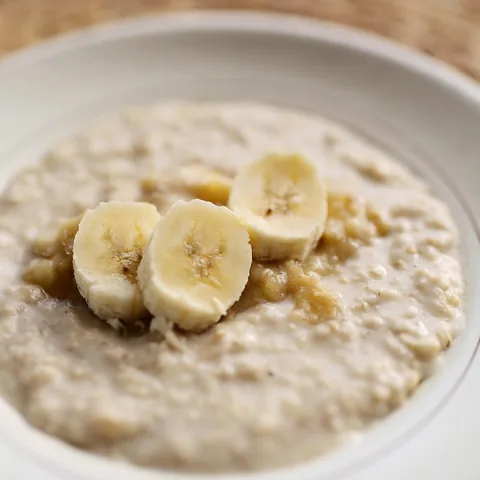
Mamalyga is cornmeal cooked in salted water until it is so thick that it can be turned out onto a board in one piece. Once it sets slightly it is sliced with a thread and served warm instead of bread. It is mild and comforting, and comes alive with salty bryndza, sour cream, melted butter or a meat stew.
Diets
Allergens
Contains (in a typical recipe):
What it is made of
Recipe
Ingredients
- 250 g cornmeal
- 1 l water
- 1 tsp salt
- 30 g butter
- 150 g bryndza
- 150 g sour cream
Method
- Bring the salted water to a boil in a heavy pot.
- Pour in the cornmeal in a thin stream, whisking to avoid lumps.
- Switch to a wooden spoon and cook on low heat 25–30 minutes, stirring often.
- When it pulls away from the sides, stir in half the butter.
- Turn it out onto a wooden board, let it set 5 minutes and cut with a thread.
- Serve with crumbled bryndza, sour cream and the rest of the butter.
How to make it lighter
- Skip the butter and serve with a vegetable stew.
- Use yogurt instead of sour cream.
- Grill leftover slices the next day for a crisp side dish.
History
Mamalyga is especially common in Bukovina and other areas of western and south-western Ukraine bordering Moldova and Romania, where the similar mămăligă is a national dish. Maize spread in the region from the seventeenth century onwards.
Count it in one photo
Point your camera at the table — Me Nutrition recognises Mamalyga (firm cornmeal porridge) and every other dish, with calories and macros for each. Ate only half? Slide it.
Download on the App StoreSimilar dishes
Values are estimates per 100 g for a typical recipe; home and restaurant versions vary. Diets and allergens are worked out from the ingredients of a typical recipe — always check with whoever cooked the dish. Not medical advice. Nutrition data: Me Nutrition dish database v15. How we count →