
Fainá (chickpea flatbread)
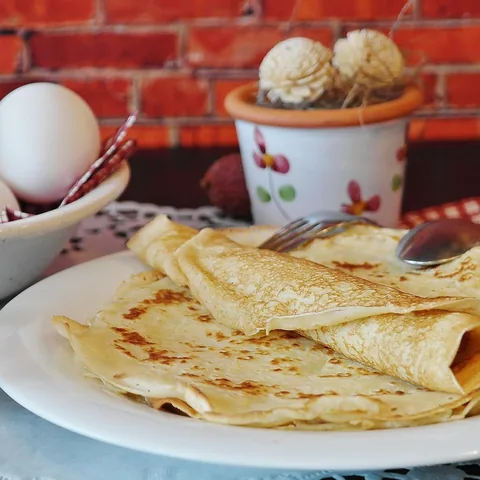
Fainá is a thin flatbread made only from chickpea flour, water, oil and salt, baked in a very hot round pan. The edges turn crisp while the middle stays soft and almost custardy, with a nutty, earthy flavour. In Buenos Aires pizzerias it is sold by the slice and often placed right on top of a slice of mozzarella pizza, a combination called a caballo. A crack of black pepper finishes it.
Diets
Allergens
None of the 14 major allergens in a typical recipe.
What it is made of
Recipe
Ingredients
- 250 g chickpea flour
- 750 ml water
- 60 ml olive oil
- 1 tsp salt
- black pepper
Method
- Whisk the flour with the water and salt until smooth.
- Let the batter rest at least 2 hours, skimming off any foam.
- Heat the oven to 250 °C with a large round pan inside.
- Pour the oil into the hot pan, then the batter, and stir lightly to spread the oil.
- Bake for 15–20 minutes until set with crisp golden edges.
- Season with pepper and cut into wedges.
How to make it lighter
- Use less oil in the pan and a non-stick tray.
- Eat it on its own rather than on top of pizza for a lighter snack.
- Add chopped rosemary or onion for flavour without extra fat.
History
Fainá descends from Ligurian farinata, brought to the Río de la Plata by Genoese immigrants. In Argentina and Uruguay it became inseparable from pizzeria culture. In Uruguay it is also a tradition to eat it on the 29th of each month alongside gnocchi in some homes.
Count it in one photo
Point your camera at the table — Me Nutrition recognises Fainá (chickpea flatbread) and every other dish, with calories and macros for each. Ate only half? Slide it.
Download on the App StoreSimilar dishes
Values are estimates per 100 g for a typical recipe; home and restaurant versions vary. Diets and allergens are worked out from the ingredients of a typical recipe — always check with whoever cooked the dish. Not medical advice. Nutrition data: Me Nutrition dish database v15. How we count →