
Fugazzeta (cheese-stuffed onion pizza)
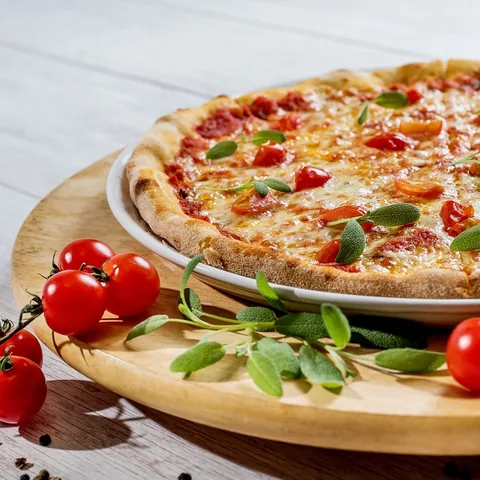
Fugazzeta is the indulgent cousin of fugazza. Two layers of thick pizza dough enclose a generous filling of mozzarella, and the top is covered with sliced onions and oregano. When it is cut, the melted cheese stretches out from the middle, while the onion top is soft and sweet. It is a heavy, much-loved order in Buenos Aires pizzerias, eaten hot by the slice.
Diets
Allergens
Contains (in a typical recipe):
What it is made of
Recipe
Ingredients
- 700 g pizza dough (homemade or bought)
- 400 g mozzarella, sliced or grated
- 3 white onions, thinly sliced
- 2 tbsp olive oil
- 1 tsp dried oregano
- 30 g grated parmesan
- salt
Method
- Salt the onions for 20 minutes, then squeeze out the liquid.
- Divide the dough in two and roll out two rounds the size of your pan.
- Place one round in an oiled pan and cover with mozzarella, leaving a border.
- Lay the second round on top and seal the edges well.
- Spread the onions over the top, drizzle with oil and let rest 20 minutes.
- Bake at 220 °C for 25–30 minutes, then add oregano and parmesan.
How to make it lighter
- Use half the cheese, or a lighter part-skim mozzarella.
- Roll the dough thinner to cut the carbohydrates.
- One slice with a big salad is plenty for a meal.
History
Fugazzeta grew out of the Genoese-style fugazza in early twentieth-century Buenos Aires. The stuffed version is often credited to pizzerias in the La Boca area, though several places claim it. Today it is a fixture on almost every Argentine pizzeria menu.
Count it in one photo
Point your camera at the table — Me Nutrition recognises Fugazzeta (cheese-stuffed onion pizza) and every other dish, with calories and macros for each. Ate only half? Slide it.
Download on the App StoreSimilar dishes

Values are estimates per 100 g for a typical recipe; home and restaurant versions vary. Diets and allergens are worked out from the ingredients of a typical recipe — always check with whoever cooked the dish. Not medical advice. Nutrition data: Me Nutrition dish database v15. How we count →