
Sándwiches de miga (crustless sandwiches)
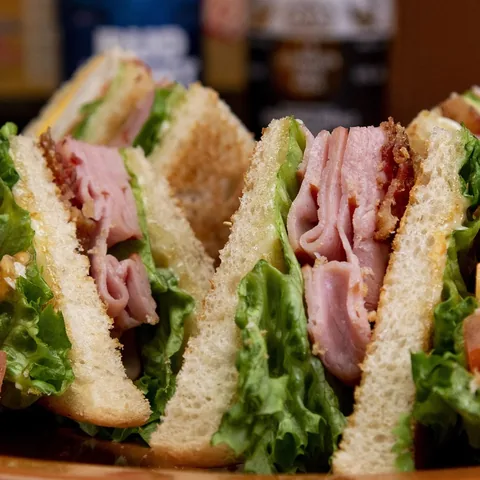
Sándwiches de miga are made with extra-thin sheets of soft crustless white bread, spread with butter or mayonnaise and layered with ham and cheese. They are often stacked in two or three layers, then cut into neat rectangles. Argentines buy them by the dozen from bakeries for birthdays, wakes, office meetings and afternoon tea.
Diets
Allergens
Contains (in a typical recipe):
What it is made of
Recipe
Ingredients
- 12 thin slices crustless sandwich bread (300 g)
- 200 g sliced cooked ham
- 200 g sliced mild cheese
- 40 g soft butter
- 60 g mayonnaise
Method
- Lay out the bread slices on a clean board.
- Spread half the slices thinly with butter and the rest with mayonnaise.
- Layer ham and cheese on the buttered slices.
- Cover with the mayonnaise slices, pressing gently.
- Trim edges, cut into rectangles or triangles.
- Cover with a damp towel and chill until serving.
How to make it lighter
- Use light mayonnaise or skip the butter.
- Add lettuce, tomato or egg slices for more volume.
- Choose a lean ham and a reduced-fat cheese.
History
Miga means crumb, referring to the soft inside of the loaf. They are often linked to the Italian tramezzino and to the strong café culture of Buenos Aires, and are now a fixture of Argentine celebrations.
Count it in one photo
Point your camera at the table — Me Nutrition recognises Sándwiches de miga (crustless sandwiches) and every other dish, with calories and macros for each. Ate only half? Slide it.
Download on the App StoreSimilar dishes
Values are estimates per 100 g for a typical recipe; home and restaurant versions vary. Diets and allergens are worked out from the ingredients of a typical recipe — always check with whoever cooked the dish. Not medical advice. Nutrition data: Me Nutrition dish database v15. How we count →