
Yukha (Azerbaijani paper-thin flatbread)
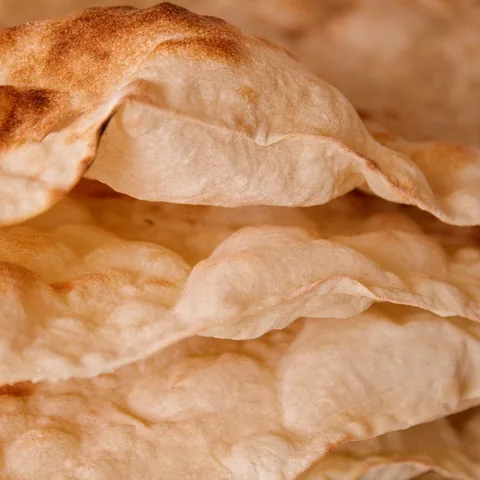
Yukha is an unleavened flatbread of flour, water and salt, rolled out so thin you can almost see through it. It cooks in seconds on a domed saj griddle and can be stored dry for a long time, then softened with a sprinkle of water. People wrap cheese, herbs or meat in it, and it is also the base for dishes like dushbara and qutab.
Diets
Allergens
Contains (in a typical recipe):
What it is made of
Recipe
Ingredients
- 400 g flour
- 220 ml water
- 1 tsp salt
- 1 tsp oil
Method
- Mix flour, salt, oil and water into a firm, smooth dough and rest it covered for 20 minutes.
- Divide into 8–10 small balls.
- Roll each ball with a thin rolling pin into a very thin round, dusting with flour.
- Cook on a hot dry saj or wide pan for 20–30 seconds per side until spotted.
- Stack the breads; to soften dried yukha later, sprinkle with water and cover with a cloth.
How to make it lighter
- Yukha is naturally low in fat, so it is a light choice for wraps.
- Fill it with vegetables, herbs and lean cheese for a balanced snack.
- Use wholemeal flour for extra fibre; roll slightly thicker as it tears more easily.
History
Yukha belongs to a family of thin breads made across the Turkic world, where it was a practical, long-keeping staple for rural households. Baking it in large batches is still a social activity in some Azerbaijani villages.
Count it in one photo
Point your camera at the table — Me Nutrition recognises Yukha (Azerbaijani paper-thin flatbread) and every other dish, with calories and macros for each. Ate only half? Slide it.
Download on the App StoreSimilar dishes
Values are estimates per 100 g for a typical recipe; home and restaurant versions vary. Diets and allergens are worked out from the ingredients of a typical recipe — always check with whoever cooked the dish. Not medical advice. Nutrition data: Me Nutrition dish database v15. How we count →