
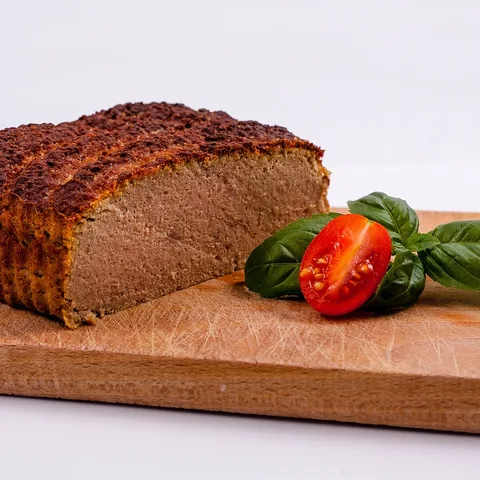
Kumpiak (Belarusian smoked ham)
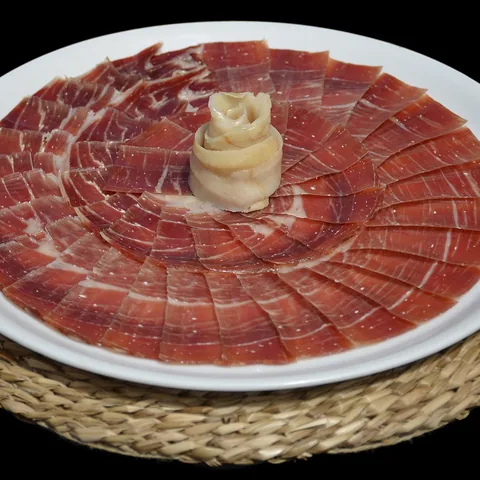
Kumpiak is a traditional ham made from a whole leg of pork that is rubbed with salt, garlic and spices, then smoked and hung to dry. The meat becomes dense and deep red with a smoky, salty taste. It is sliced thinly and eaten cold with rye bread, pickles and horseradish.
Diets
Allergens
None of the 14 major allergens in a typical recipe.
What it is made of
Recipe
Ingredients
- 1 boneless pork leg, about 3 kg
- 120 g coarse salt
- 1 head of garlic
- 1 tbsp crushed black pepper
- 1 tbsp crushed coriander seeds
- 4 bay leaves, crumbled
Method
- Mix the salt with crushed garlic and spices and rub it thoroughly into the meat.
- Pack the leg tightly in a container and keep it in the cold for 2–3 weeks, turning every few days.
- Rinse, pat dry and tie the meat firmly with twine.
- Cold-smoke over alder or fruit wood for several days, a few hours at a time.
- Hang in a cool, airy place for at least 2–3 weeks before slicing thinly.
How to make it lighter
- Treat it as a seasoning: a few thin slices are enough per serving.
- It is very salty, so skip extra salt in the rest of the meal.
- Pair it with fresh vegetables and wholegrain rye bread.
History
Smoking and drying meat was the main way to keep pork through the year in Belarusian villages, and kumpiak was a prized festive item. Today it is also produced by local meat factories, but homemade versions are still valued.
Count it in one photo
Point your camera at the table — Me Nutrition recognises Kumpiak (Belarusian smoked ham) and every other dish, with calories and macros for each. Ate only half? Slide it.
Download on the App StoreSimilar dishes
Values are estimates per 100 g for a typical recipe; home and restaurant versions vary. Diets and allergens are worked out from the ingredients of a typical recipe — always check with whoever cooked the dish. Not medical advice. Nutrition data: Me Nutrition dish database v15. How we count →