
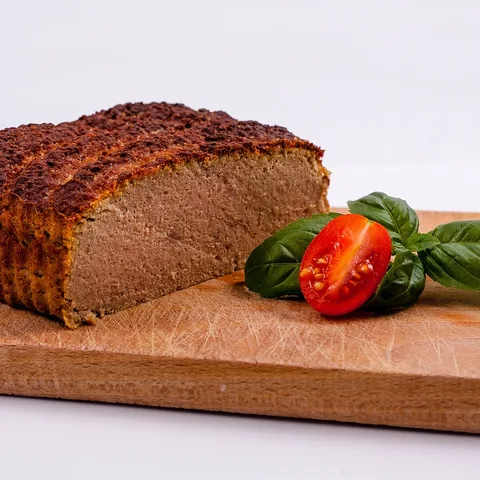
Palyandvitsa (cured smoked pork loin)
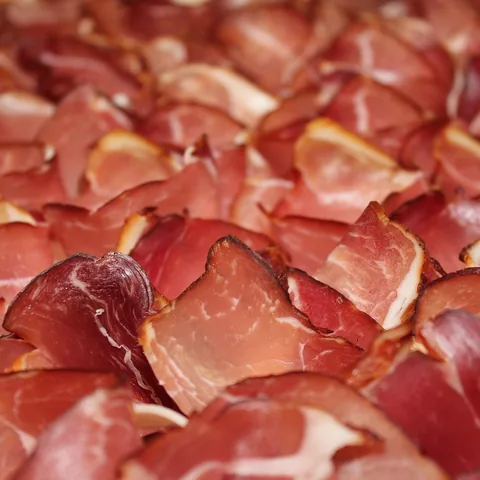
Palyandvitsa is a Belarusian delicacy made from pork tenderloin or loin that is cured in salt and spices, then cold-smoked and left to dry. It is leaner than most cured meats, with a firm texture and a gentle smoky, garlicky flavour. Thin slices are served as a cold starter at festive tables.
Diets
Allergens
None of the 14 major allergens in a typical recipe.
What it is made of
Recipe
Ingredients
- 1 kg pork tenderloin
- 50 g coarse salt
- 4 garlic cloves
- 1 tsp crushed black pepper
- 1 tsp crushed coriander
- 2 bay leaves, crumbled
Method
- Trim the tenderloin of sinew and pat it dry.
- Rub with the salt, crushed garlic and spices.
- Wrap tightly and refrigerate for 5–7 days, turning daily.
- Rinse, dry well, wrap in gauze or a casing and tie with twine.
- Cold-smoke for 1–2 days in short sessions, then hang in a cool airy place for 1–2 weeks.
How to make it lighter
- It is one of the leanest cured meats, a good choice for a protein-rich snack.
- Keep portions small because of the salt.
- Serve with radishes, cucumbers and greens.
History
The word is related to the Polish 'polędwica', meaning tenderloin, and the dish is shared with neighbouring Polish and Lithuanian traditions. It belongs to the old repertoire of smoked meats kept in Belarusian farmhouses.
Count it in one photo
Point your camera at the table — Me Nutrition recognises Palyandvitsa (cured smoked pork loin) and every other dish, with calories and macros for each. Ate only half? Slide it.
Download on the App StoreSimilar dishes
Values are estimates per 100 g for a typical recipe; home and restaurant versions vary. Diets and allergens are worked out from the ingredients of a typical recipe — always check with whoever cooked the dish. Not medical advice. Nutrition data: Me Nutrition dish database v15. How we count →