
Khaladzets (pork aspic)
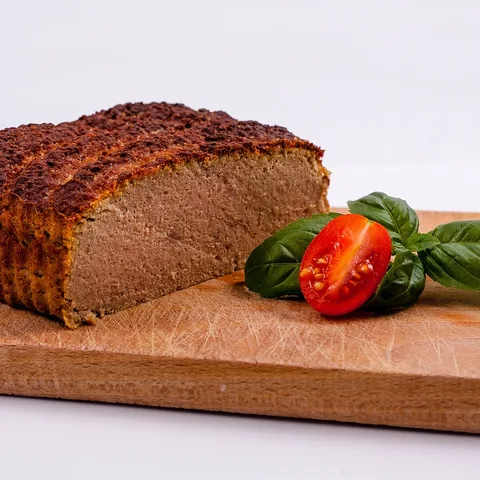
Khaladzets is a cold dish of tender pork meat set in a clear jelly made from long-simmered hocks and trotters. No gelatine is needed, because the bones and skin release enough collagen. It is flavoured with garlic and pepper and served chilled in slices with horseradish or mustard.
Diets
Allergens
None of the 14 major allergens in a typical recipe.
What it is made of
Recipe
Ingredients
- 1.5 kg pork hocks and trotters
- 1 onion (80 g)
- 1 carrot (75 g)
- 6 garlic cloves
- 10 black peppercorns
- 2 bay leaves
- salt
Method
- Soak the hocks for a few hours, scrub and cover with cold water.
- Bring to the boil, skim, then simmer very gently for 5–6 hours.
- Add the onion, carrot, peppercorns and bay leaves for the last hour; salt to taste.
- Lift out the meat, pull it from the bones and arrange in dishes with crushed garlic.
- Strain the broth over the meat and refrigerate overnight until set; lift off the fat layer.
How to make it lighter
- Remove all the fat from the surface of the set jelly.
- Add chicken legs for a leaner, lighter version.
- Serve with horseradish and fresh vegetables rather than bread.
History
Meat jellies have been made in Belarus and across Eastern Europe for centuries, especially in winter when the cold helped them set. Khaladzets is still a must on many Belarusian New Year and Christmas tables.
Count it in one photo
Point your camera at the table — Me Nutrition recognises Khaladzets (pork aspic) and every other dish, with calories and macros for each. Ate only half? Slide it.
Download on the App StoreSimilar dishes
Values are estimates per 100 g for a typical recipe; home and restaurant versions vary. Diets and allergens are worked out from the ingredients of a typical recipe — always check with whoever cooked the dish. Not medical advice. Nutrition data: Me Nutrition dish database v15. How we count →