
Broa de milho (Brazilian sweet cornbread)
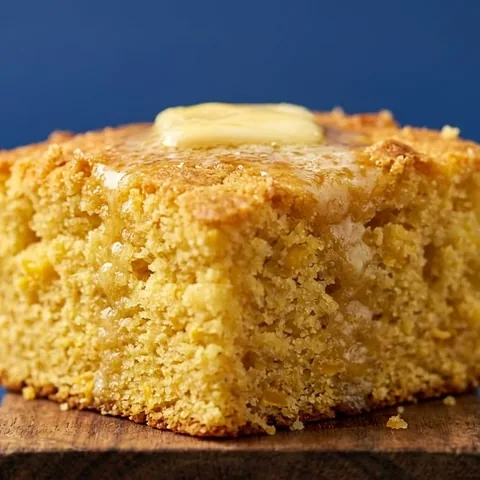
Brazilian broa de milho is a soft, slightly sweet cornbread made with cornmeal, milk, eggs and butter, often flavoured with fennel seeds. It is baked as small domed rolls or as a loaf and has a golden crust and a tender, crumbly inside. It is typically eaten for breakfast or an afternoon snack with a cup of coffee.
Diets
Allergens
Contains (in a typical recipe):
What it is made of
Recipe
Ingredients
- 250 g fine cornmeal
- 150 g flour
- 120 g sugar
- 300 ml milk
- 2 eggs
- 80 g butter, melted
- 1 tbsp baking powder
- 1 tsp fennel seeds
- Pinch of salt
Method
- Mix the cornmeal, flour, sugar, baking powder, salt and fennel seeds.
- Whisk the milk, eggs and melted butter together.
- Combine wet and dry ingredients into a thick batter or soft dough.
- Shape into small balls dusted with cornmeal, or spread in a greased tin.
- Bake at 180 °C for 25 to 30 minutes until golden and set.
- Cool slightly before serving.
How to make it lighter
- Reduce the sugar by a third; the fennel still gives plenty of flavour.
- Use semi-skimmed milk and replace half the butter with oil.
- Serve with fresh cheese rather than butter.
History
Broa is a Portuguese word for cornbread, and the tradition crossed the Atlantic with Portuguese settlers. In Brazil the bread became sweeter and softer, and versions with fennel seed are especially popular in Minas Gerais and São Paulo.
Count it in one photo
Point your camera at the table — Me Nutrition recognises Broa de milho (Brazilian sweet cornbread) and every other dish, with calories and macros for each. Ate only half? Slide it.
Download on the App StoreSimilar dishes


Values are estimates per 100 g for a typical recipe; home and restaurant versions vary. Diets and allergens are worked out from the ingredients of a typical recipe — always check with whoever cooked the dish. Not medical advice. Nutrition data: Me Nutrition dish database v15. How we count →