
Cantonese white cut chicken (Bai qie ji)
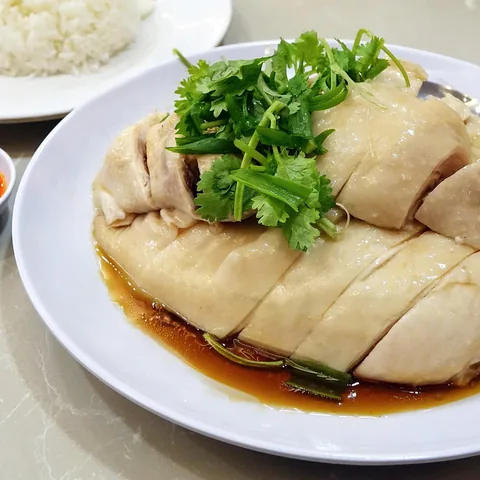
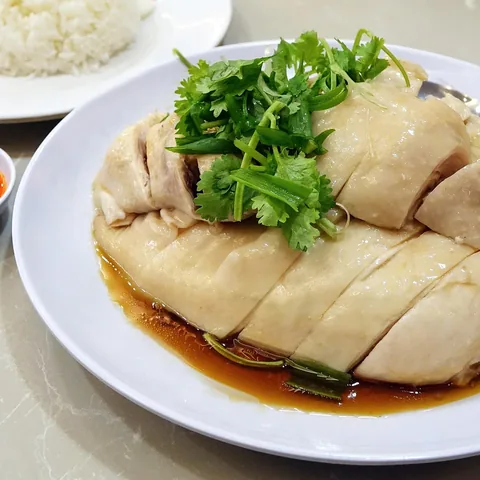
A whole chicken is gently poached just until cooked, plunged into ice water and chopped, so the skin is smooth and the meat juicy. It is served cold or room temperature with a dip of ginger and scallion oil. The flavour is clean and delicate, and the dish is common at celebrations.
Diets
Allergens
Contains (in a typical recipe):
What it is made of
Recipe
Ingredients
- 1 small chicken, about 1.2 kg
- 30 g ginger, sliced
- 4 scallions
- 2 tsp salt
- ice water
- For the dip: 30 g minced ginger, 3 scallions, 3 tbsp hot oil
Method
- Bring a large pot of water with ginger, scallions and salt to a gentle simmer.
- Lower in the chicken and poach 20 minutes, turning once.
- Turn off the heat and rest it covered for 15 minutes.
- Plunge the chicken into ice water for 10 minutes.
- Chop and serve with the ginger-scallion dip.
How to make it lighter
- Remove the skin to lower fat.
- Use less oil in the dip.
- Serve with steamed greens.
History
White cut chicken is a pillar of Cantonese cooking, where the aim is to let the quality of the bird speak. It is a fixture of festivals and family dinners in Guangdong and Hong Kong.
Count it in one photo
Point your camera at the table — Me Nutrition recognises Cantonese white cut chicken (Bai qie ji) and every other dish, with calories and macros for each. Ate only half? Slide it.
Download on the App StoreSimilar dishes
Values are estimates per 100 g for a typical recipe; home and restaurant versions vary. Diets and allergens are worked out from the ingredients of a typical recipe — always check with whoever cooked the dish. Not medical advice. Nutrition data: Me Nutrition dish database v15. How we count →