
Hakka salt-baked chicken (yan ju ji)
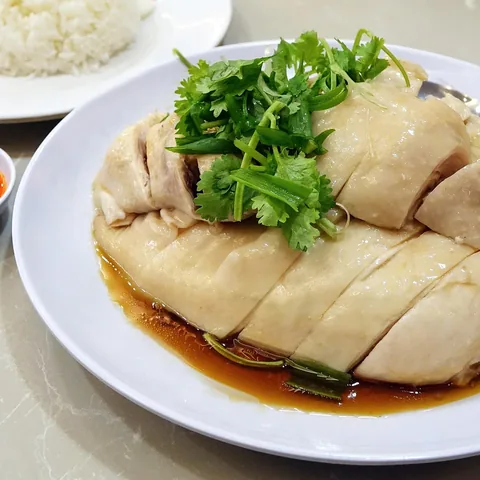
A whole chicken is rubbed with ginger and shallot, wrapped in paper and buried in hot coarse salt. The salt gives even heat and the meat comes out moist, delicately seasoned and lightly fragrant. It is torn by hand and eaten warm or cold with a ginger-scallion dip.
Diets
Allergens
Contains (in a typical recipe):
What it is made of
Recipe
Ingredients
- 1 chicken, about 1.4 kg
- 2 kg coarse salt
- 30 g ginger, sliced
- 3 shallots
- 1 tbsp sesame oil
- 1 tsp white pepper
- Baking parchment and kitchen paper
Method
- Pat the chicken dry and rub the inside with ginger, shallot and pepper.
- Brush the skin lightly with sesame oil and wrap in parchment, then kitchen paper.
- Heat the coarse salt in a heavy pot until very hot.
- Bury the wrapped chicken in half of the salt, cover with the rest and close the lid.
- Cook on low heat for about 45 minutes, turning once, until the juices run clear.
- Unwrap, rest for 10 minutes and tear into pieces.
How to make it lighter
- Remove the skin to cut the fat noticeably.
- Serve with steamed greens instead of rice.
- Use a ginger dip rather than oil-based sauces.
History
The dish is associated with the Hakka people of Guangdong, whose cooking relied on simple preserving staples such as salt. The original method used heated salt in a wok, and it later spread across Cantonese restaurants.
Count it in one photo
Point your camera at the table — Me Nutrition recognises Hakka salt-baked chicken (yan ju ji) and every other dish, with calories and macros for each. Ate only half? Slide it.
Download on the App StoreSimilar dishes
Values are estimates per 100 g for a typical recipe; home and restaurant versions vary. Diets and allergens are worked out from the ingredients of a typical recipe — always check with whoever cooked the dish. Not medical advice. Nutrition data: Me Nutrition dish database v15. How we count →