
Dum pukht (sealed-pot lamb)
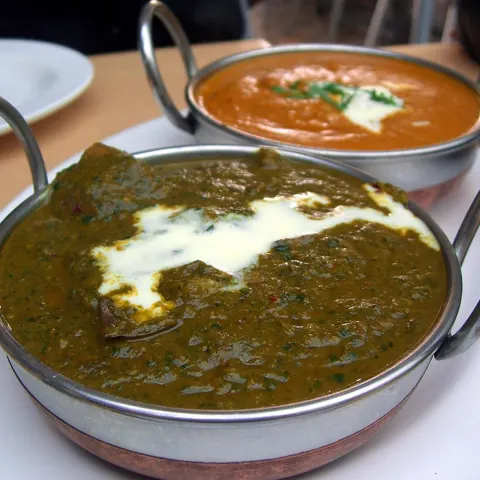
Dum pukht is a slow-cooking method and a dish: lamb marinated in yogurt, onion and mild spices is sealed in a heavy pot with dough and cooked on very low heat in its own steam. The meat becomes extremely tender and the sauce small, thick and aromatic. It is served with naan or plain rice.
Diets
Allergens
Contains (in a typical recipe):
What it is made of
Recipe
Ingredients
- 700 g lamb, in pieces
- 200 g yogurt
- 2 onions (250 g), fried
- 40 g ginger-garlic paste
- 2 tsp garam masala
- 1 tsp cardamom, pinch of saffron
- 60 ml ghee, salt, dough for sealing
Method
- Marinate the lamb with yogurt, paste, spices and salt for at least 3 hours.
- Layer the lamb with fried onions and ghee in a heavy pot.
- Seal the lid with a rope of dough.
- Cook on the lowest heat for 90-120 minutes without opening.
- Break the seal, stir gently and serve with naan.
How to make it lighter
- Use lean lamb leg and less ghee.
- Serve with salad and a smaller bread portion.
- Replace some yogurt with low-fat yogurt.
History
Dum pukht means roughly cooking by steam in a sealed pot and is linked to the Mughal-era courts and the cooking of Awadh. In Pakistan it is cooked at home and in restaurants, particularly with lamb.
Count it in one photo
Point your camera at the table — Me Nutrition recognises Dum pukht (sealed-pot lamb) and every other dish, with calories and macros for each. Ate only half? Slide it.
Download on the App StoreSimilar dishes
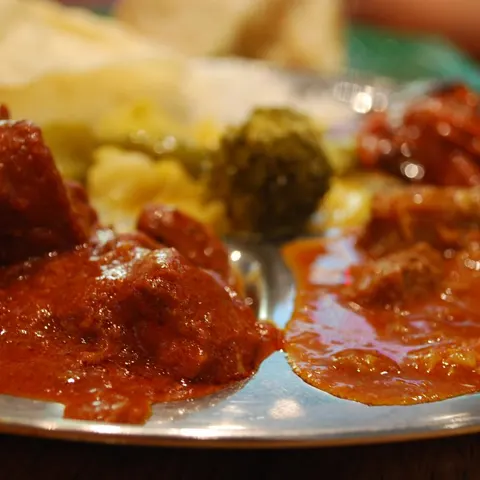
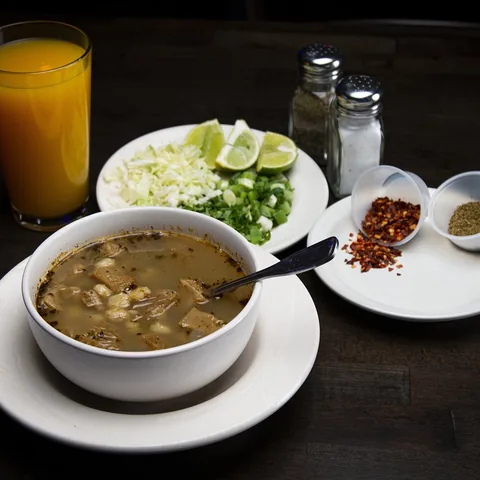
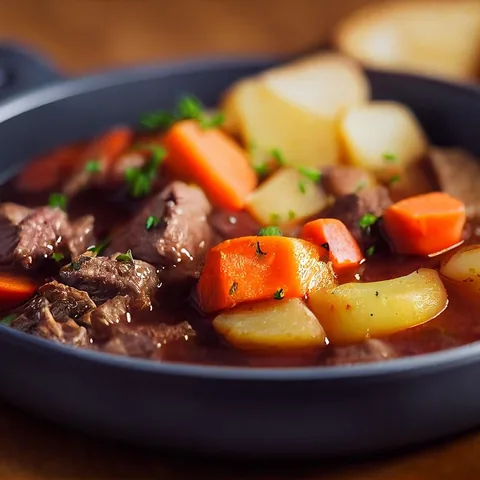
Values are estimates per 100 g for a typical recipe; home and restaurant versions vary. Diets and allergens are worked out from the ingredients of a typical recipe — always check with whoever cooked the dish. Not medical advice. Nutrition data: Me Nutrition dish database v15. How we count →