
Bazhe (Georgian walnut sauce)
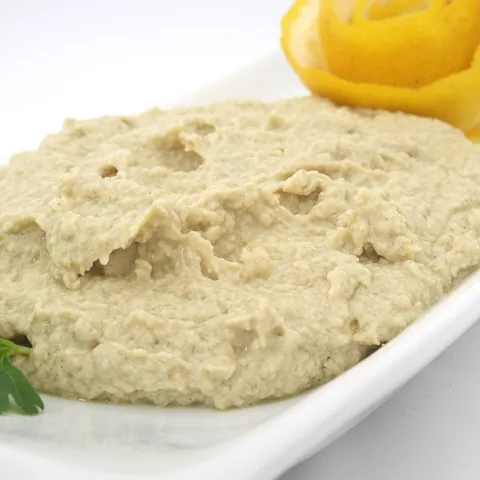
Bazhe is a dense, pourable sauce made from finely ground walnuts, garlic, coriander, blue fenugreek and a touch of chili, loosened with water or broth and sharpened with vinegar or pomegranate juice. It is rich and nutty with a garlicky bite and gentle acidity. Georgians serve it with roast or fried chicken, turkey, fish and boiled vegetables.
Diets
Allergens
Contains (in a typical recipe):
What it is made of
Recipe
Ingredients
- 200 g walnuts
- 3 garlic cloves
- 1 tsp ground coriander
- 1/2 tsp blue fenugreek
- a pinch of chili
- 1 tbsp wine vinegar (15 ml)
- 200 ml cold water or broth
Method
- Grind the walnuts very finely in a food processor or mortar.
- Add garlic, salt, ground coriander, blue fenugreek and chili and grind again.
- Squeeze the paste to release a little walnut oil if you want a glossy top.
- Slowly add cold water or broth, stirring, until the sauce is like thick cream.
- Season with vinegar and let it rest 15 minutes before serving.
How to make it lighter
- Use bazhe as a dip in small amounts; a spoonful carries a lot of calories.
- Thin it more with broth for a lighter version.
- Serve it with steamed vegetables instead of fried meat.
History
Bazhe is closely related to satsivi and is often described as its sauce without the meat. Walnut sauces like it are a defining feature of western Georgian cooking.
Count it in one photo
Point your camera at the table — Me Nutrition recognises Bazhe (Georgian walnut sauce) and every other dish, with calories and macros for each. Ate only half? Slide it.
Download on the App StoreSimilar dishes

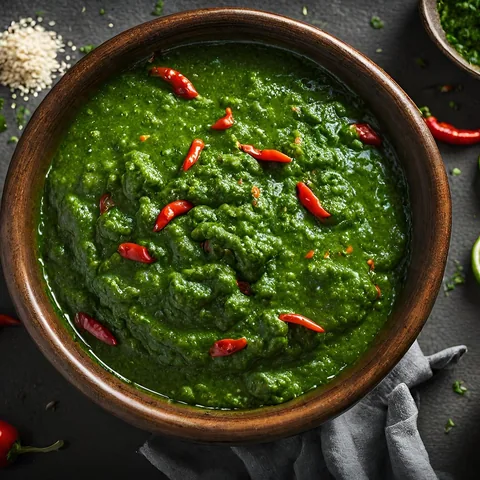
Values are estimates per 100 g for a typical recipe; home and restaurant versions vary. Diets and allergens are worked out from the ingredients of a typical recipe — always check with whoever cooked the dish. Not medical advice. Nutrition data: Me Nutrition dish database v15. How we count →