
Banku with grilled tilapia
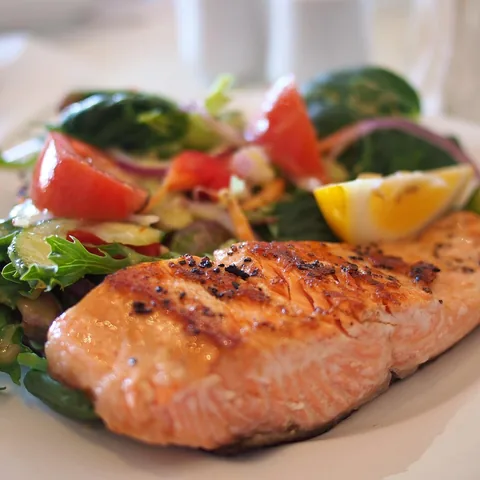
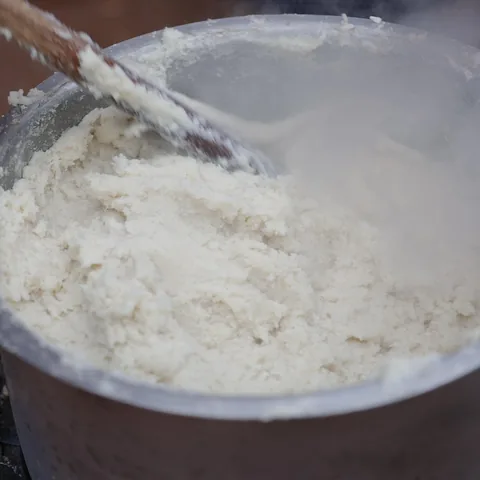
Banku is a smooth, slightly sour ball of fermented corn and cassava dough that is stirred over heat until stretchy. It is eaten by hand, torn in small pieces and dipped in a fresh pepper sauce of tomato, onion and chili. Grilled tilapia, rubbed with ginger and spices, is the classic partner. The meal is tangy, smoky and hot.
Diets
Allergens
Contains (in a typical recipe):
What it is made of
Recipe
Ingredients
- 300 g fermented corn dough
- 150 g fermented cassava dough
- 800 g whole tilapia
- 300 g tomatoes
- 100 g onion
- 10 g scotch bonnet pepper
Method
- Mix the fermented corn and cassava dough with water and salt.
- Cook over medium heat, stirring hard with a wooden paddle for 20 minutes until smooth and stretchy.
- Season whole tilapia with ginger, garlic and salt and grill 8 minutes per side.
- Grind tomato, onion and scotch bonnet into a rough sauce.
- Shape banku into balls and serve with fish and sauce.
How to make it lighter
- Grill the fish rather than frying it.
- Use a smaller portion of banku and more fresh sauce.
- Add sliced cucumber or okra stew for vegetables.
History
Banku is a staple of southern Ghana, especially among the Ga and Ewe, and is linked to lakeside and coastal fishing communities. Tilapia grown in Ghanaian waters is a favourite pairing.
Count it in one photo
Point your camera at the table — Me Nutrition recognises Banku with grilled tilapia and every other dish, with calories and macros for each. Ate only half? Slide it.
Download on the App StoreSimilar dishes
Values are estimates per 100 g for a typical recipe; home and restaurant versions vary. Diets and allergens are worked out from the ingredients of a typical recipe — always check with whoever cooked the dish. Not medical advice. Nutrition data: Me Nutrition dish database v15. How we count →