
Helado de lúcuma (lúcuma ice cream)
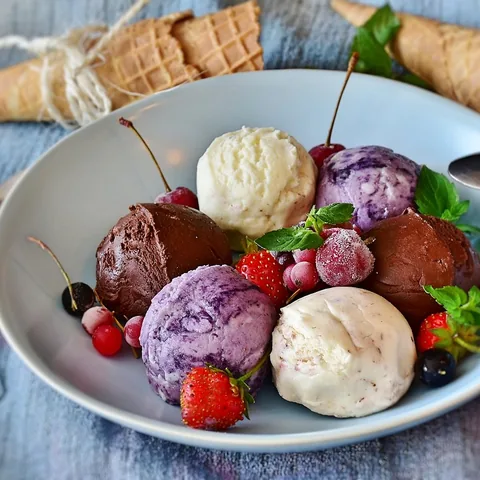
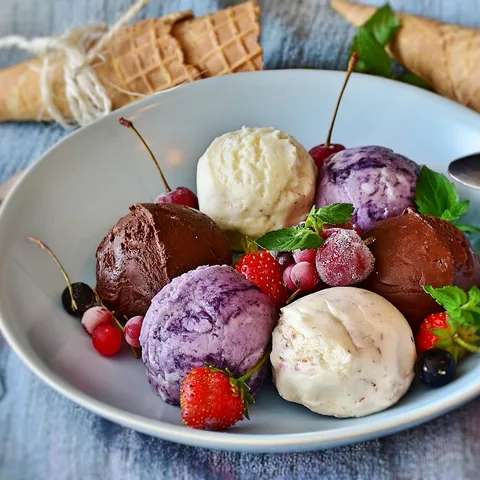
Helado de lúcuma is often called Peru's favourite ice cream flavour. The orange-yellow flesh of the lúcuma has a dry, starchy texture and a flavour of caramel, maple and sweet potato, so it makes a naturally rich, smooth ice cream. It is sold in every ice cream shop and supermarket in Peru and is also used in milkshakes and cakes. Served in a cone or cup, it tastes dense and toffee-like rather than fruity and tart.
Diets
Allergens
Contains (in a typical recipe):
What it is made of
Recipe
Ingredients
- 300 g lúcuma pulp
- 400 ml whole milk
- 250 ml cream
- 150 ml evaporated milk
- 100 g sugar
Method
- Blend the lúcuma pulp with milk and sugar until smooth.
- Add the evaporated milk and cream and blend briefly.
- Chill the mixture for 2 hours.
- Churn in an ice cream machine, or freeze and stir every 30 minutes.
- Freeze until firm and soften for 5 minutes before serving.
How to make it lighter
- Replace the cream with more milk for a lighter ice cream.
- Lúcuma is sweet: you can cut the sugar by a third.
- Serve a single scoop with fresh fruit.
History
Lúcuma is native to the Andean valleys and appears in pre-Hispanic pottery. As an ice cream flavour it spread with industrial ice cream in the 20th century and is now one of the best-selling flavours in Peru.
Count it in one photo
Point your camera at the table — Me Nutrition recognises Helado de lúcuma (lúcuma ice cream) and every other dish, with calories and macros for each. Ate only half? Slide it.
Download on the App StoreSimilar dishes
Values are estimates per 100 g for a typical recipe; home and restaurant versions vary. Diets and allergens are worked out from the ingredients of a typical recipe — always check with whoever cooked the dish. Not medical advice. Nutrition data: Me Nutrition dish database v15. How we count →