
Frejol colado (Peruvian sweet black bean dessert)
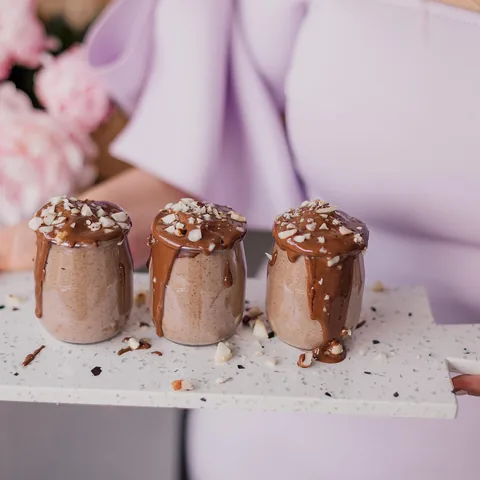
Frejol colado is a dense, glossy dessert made by cooking black beans until soft, pressing them through a sieve and then stirring the purée with sugar and milk until thick. Cloves and cinnamon give it a warm, spiced taste, and a sprinkle of toasted sesame adds crunch. It is sold in small clay pots or cups and eaten with a spoon, often slightly cool.
Diets
Allergens
Contains (in a typical recipe):
What it is made of
Recipe
Ingredients
- 400 g dried black beans, soaked overnight
- 400 g sugar
- 500 ml milk
- 6 cloves
- 1 cinnamon stick
- 2 tbsp toasted sesame seeds
Method
- Drain the beans and cook in fresh water for about 1.5 hours until very soft.
- Blend the beans with a little cooking liquid and press the purée through a fine sieve to remove the skins.
- Put the purée in a heavy pot with the sugar, milk, cloves and cinnamon.
- Cook over low heat, stirring constantly with a wooden spoon, for about 40 minutes.
- Stop when the paste is thick enough to show the bottom of the pot as you stir.
- Remove the spices, spoon into small cups and sprinkle with sesame. Let cool before serving.
How to make it lighter
- Reduce the sugar to 250 g; the beans and spices still carry the flavour.
- Use skimmed milk or a plant milk to lower the fat.
- Enjoy it as a small portion; the beans add protein and fibre compared with most sweets.
History
The dessert is strongly associated with Chincha and Cañete on Peru's southern coast, centres of Afro-Peruvian culture. It is a traditional sweet of local festivities and is sold by vendors in the towns of the region.
Count it in one photo
Point your camera at the table — Me Nutrition recognises Frejol colado (Peruvian sweet black bean dessert) and every other dish, with calories and macros for each. Ate only half? Slide it.
Download on the App StoreSimilar dishes
Values are estimates per 100 g for a typical recipe; home and restaurant versions vary. Diets and allergens are worked out from the ingredients of a typical recipe — always check with whoever cooked the dish. Not medical advice. Nutrition data: Me Nutrition dish database v15. How we count →