
Kurtkozhe (Kazakh kurt soup)
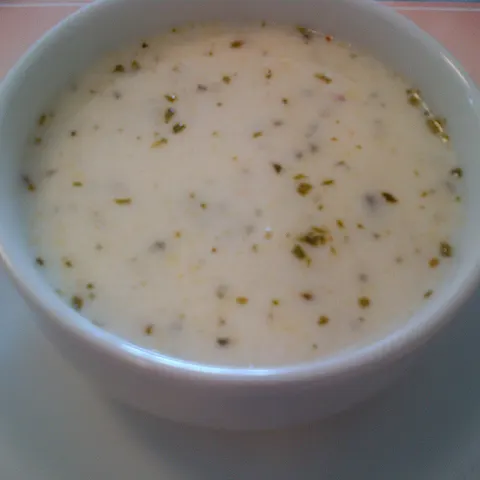
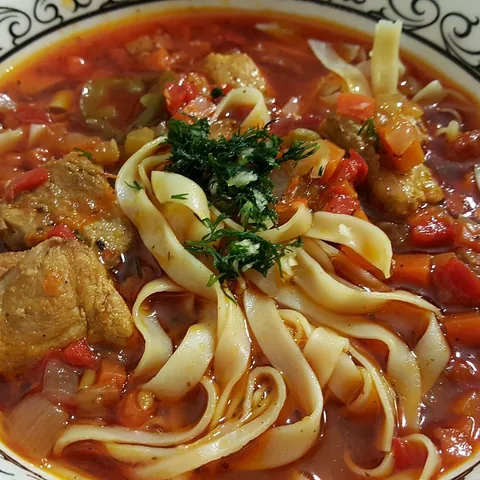
Kurtkozhe is a pale, tangy soup made by soaking hard kurt cheese balls until soft, mashing them and stirring them into hot meat broth thickened with rice or millet. The kurt gives a sour, salty, milky taste and a slightly creamy body. It is eaten hot with bread, and many consider it a comforting remedy when tired or unwell.
Diets
Allergens
Contains (in a typical recipe):
What it is made of
Recipe
Ingredients
- 150 g kurt
- 300 g lamb on the bone
- 80 g rice
- 1 onion, chopped
- 1.5 l water
- Salt, green onion
Method
- Soak the kurt in warm water for 2-3 hours, then mash until smooth.
- Simmer the lamb in water for 1 hour, skimming the foam.
- Add the onion and rice and cook for 15 minutes.
- Stir in the dissolved kurt and heat gently without boiling hard.
- Season, sprinkle with green onion and serve.
How to make it lighter
- Use lean meat and skim the fat from the broth.
- Kurt is very salty, so add no extra salt until you taste.
- Add diced vegetables to make it more filling and lighter.
History
Kurt, the hard salted cheese of the steppe, was made to last through long winters and journeys, and dissolving it in broth was a practical way to use it. Soups based on it remain common in Kazakh home cooking.
Count it in one photo
Point your camera at the table — Me Nutrition recognises Kurtkozhe (Kazakh kurt soup) and every other dish, with calories and macros for each. Ate only half? Slide it.
Download on the App StoreSimilar dishes
Values are estimates per 100 g for a typical recipe; home and restaurant versions vary. Diets and allergens are worked out from the ingredients of a typical recipe — always check with whoever cooked the dish. Not medical advice. Nutrition data: Me Nutrition dish database v15. How we count →