
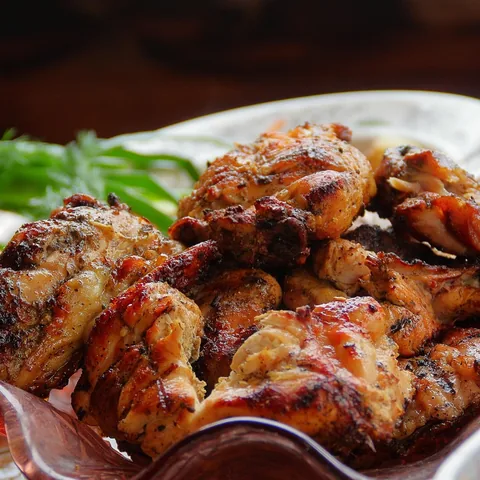
Namkeen gosht (salted lamb)
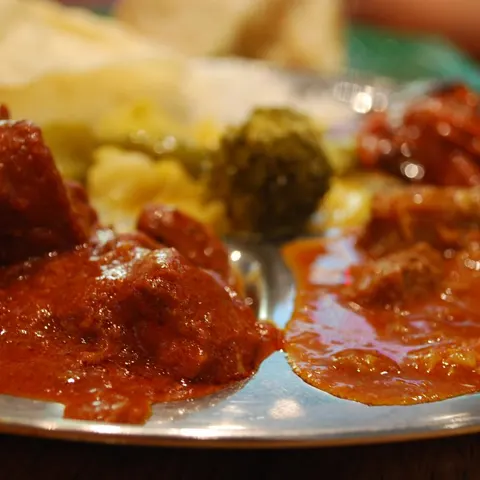
Namkeen gosht is a minimalist Pashtun dish: lamb on the bone cooked in its own fat with coarse salt, black pepper and sometimes a little garlic and tomato. There are no heavy masalas, so the pure flavour of the lamb comes through, rich and tender. It is eaten with fresh naan and green chilli.
Diets
Allergens
None of the 14 major allergens in a typical recipe.
What it is made of
Recipe
Ingredients
- 800 g lamb on the bone, in pieces
- 100 g lamb fat or 60 ml oil
- 2 tsp coarse salt
- 1 tsp black pepper
- 4 garlic cloves
- 2 tomatoes (200 g)
- green chillies, to serve
Method
- Heat the fat in a heavy pan or wok.
- Add the lamb and sear on high heat until browned.
- Add the salt, pepper and garlic.
- Add the tomatoes, cover and cook on low for 60-75 minutes, stirring occasionally.
- Increase the heat briefly to reduce the juices and serve with naan.
How to make it lighter
- Trim visible fat and use less of it in the pan.
- Serve with a large raw salad and lemon.
- Share a small portion with plenty of bread-free sides.
History
The dish belongs to the cooking of Khyber Pakhtunkhwa and Afghanistan, where good meat is cooked simply. It is often made in large pans by roadside restaurants around Peshawar.
Count it in one photo
Point your camera at the table — Me Nutrition recognises Namkeen gosht (salted lamb) and every other dish, with calories and macros for each. Ate only half? Slide it.
Download on the App StoreSimilar dishes
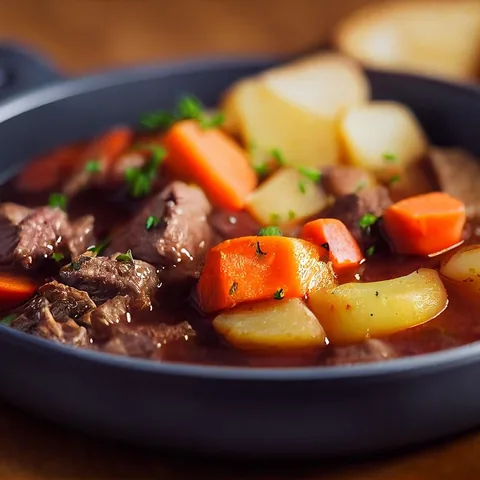
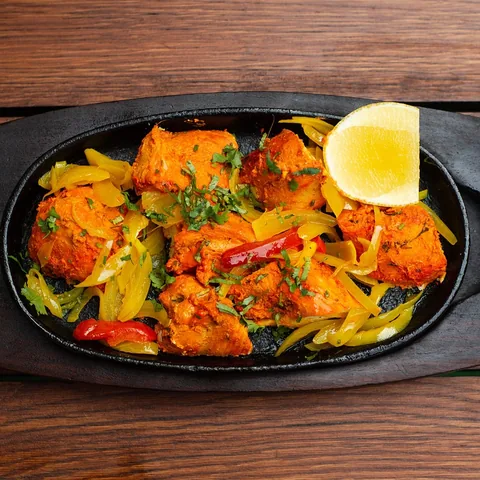
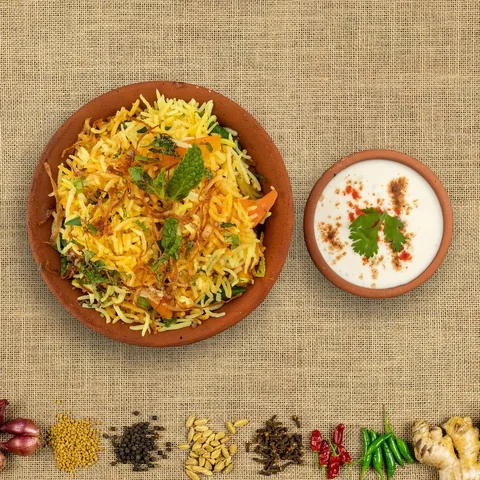
Values are estimates per 100 g for a typical recipe; home and restaurant versions vary. Diets and allergens are worked out from the ingredients of a typical recipe — always check with whoever cooked the dish. Not medical advice. Nutrition data: Me Nutrition dish database v15. How we count →