
Lengua en salsa (Peruvian beef tongue in sauce)
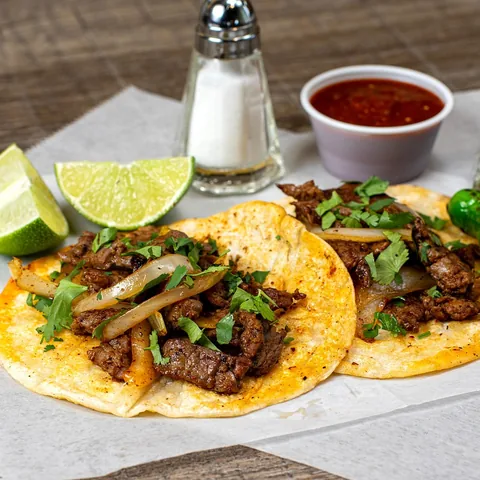
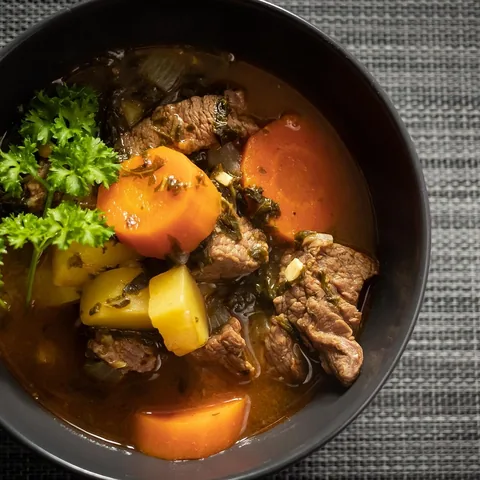
Lengua en salsa is a traditional Peruvian home dish: beef tongue is boiled until meltingly tender, peeled, sliced and braised in a rich red sauce of tomato, onion, garlic and ají panca with peas and carrots. The meat is silky and absorbs the sauce well. It is served with white rice and sometimes boiled potatoes.
Diets
Allergens
None of the 14 major allergens in a typical recipe.
What it is made of
Recipe
Ingredients
- 1 beef tongue, about 1.2 kg
- 1 onion, finely chopped
- 4 tomatoes, grated
- 4 garlic cloves
- 2 tbsp ají panca paste
- 1 tsp cumin
- 150 g peas
- 1 carrot, diced
- 300 ml tongue cooking broth
- 2 tbsp oil
- Bay leaf, salt and pepper
Method
- Simmer the tongue with bay leaf, onion and salt for 2–2½ hours until tender.
- Peel the tongue while still warm and cut into thick slices.
- Fry onion, garlic, ají panca and cumin, then add grated tomato and cook until thick.
- Add broth, carrot and the tongue slices and braise for 20 minutes.
- Add peas for the last 5 minutes, season and serve with rice.
How to make it lighter
- Chill the broth and remove the fat before using it.
- Serve with steamed vegetables and less rice.
- Keep portions moderate as tongue is high in fat.
History
Tongue has long been a valued cut in Peruvian criollo cooking, often reserved for family meals and special occasions. Similar tongue stews in tomato sauce exist across Latin America, reflecting shared Spanish influences.
Count it in one photo
Point your camera at the table — Me Nutrition recognises Lengua en salsa (Peruvian beef tongue in sauce) and every other dish, with calories and macros for each. Ate only half? Slide it.
Download on the App StoreSimilar dishes
Values are estimates per 100 g for a typical recipe; home and restaurant versions vary. Diets and allergens are worked out from the ingredients of a typical recipe — always check with whoever cooked the dish. Not medical advice. Nutrition data: Me Nutrition dish database v15. How we count →