
Tapsilog (beef tapa, garlic rice and egg)
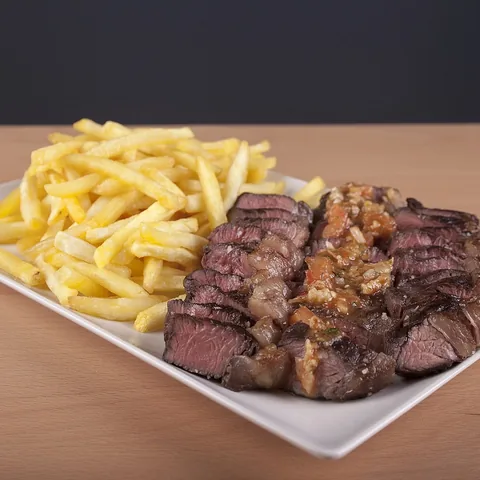
Tapsilog is a breakfast plate made of thinly sliced beef cured in soy, vinegar and garlic, served with sinangag garlic rice and a sunny-side-up egg. The beef is savory and slightly tangy with crisp edges. A small dish of spiced vinegar on the side cuts through the richness. The name joins tapa, sinangag and itlog, the word for egg.
Diets
Allergens
Contains (in a typical recipe):
What it is made of
Recipe
Ingredients
- 300 g beef sirloin, thinly sliced
- 3 tbsp soy sauce, 2 tbsp vinegar
- 6 garlic cloves
- 300 g cooked rice
- 2 eggs
- 1 tbsp oil
Method
- Marinate the beef in soy, vinegar, half the garlic and pepper overnight.
- Fry the remaining garlic until golden, add rice and stir-fry.
- Pan-fry the beef in batches until browned.
- Fry the eggs sunny side up.
- Plate rice, beef and egg together.
How to make it lighter
- Use lean sirloin and little oil.
- Replace part of the rice with sliced tomatoes and cucumber.
- Poach instead of frying the egg.
History
Tapa is a preserved meat tradition, once dried in the sun to keep without refrigeration. The tapsilog combination became popular in the 1980s in small eateries called tapsihan, which serve it all day. It sits in a family of silog meals such as tosilog and longsilog.
Count it in one photo
Point your camera at the table — Me Nutrition recognises Tapsilog (beef tapa, garlic rice and egg) and every other dish, with calories and macros for each. Ate only half? Slide it.
Download on the App StoreSimilar dishes
Values are estimates per 100 g for a typical recipe; home and restaurant versions vary. Diets and allergens are worked out from the ingredients of a typical recipe — always check with whoever cooked the dish. Not medical advice. Nutrition data: Me Nutrition dish database v15. How we count →