
Tocino (Filipino sweet cured pork)
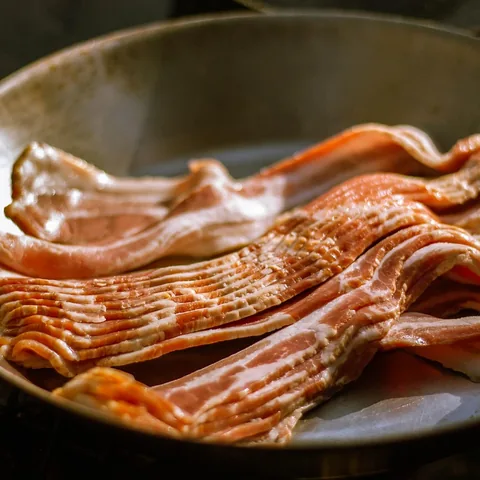
Tocino is thin pork slices cured in sugar, salt and a little curing salt, which gives them a rosy color. When fried, the sugars caramelize into a sticky, glossy crust. The taste is sweet first, then salty and garlicky. It is a breakfast favourite served with garlic rice and a fried egg.
Diets
Allergens
Contains (in a typical recipe):
What it is made of
Recipe
Ingredients
- 500 g pork shoulder, thinly sliced
- 60 g sugar
- 1 tbsp salt
- 4 garlic cloves, minced
- 2 tbsp soy sauce
- 1 tbsp vinegar
Method
- Mix sugar, salt, garlic, soy sauce and vinegar.
- Coat the pork and refrigerate 1 to 2 days.
- Heat a pan with a little water and the pork.
- Let the water evaporate, then add a spoon of oil.
- Fry until caramelized on both sides.
How to make it lighter
- Reduce the sugar and use lean pork.
- Pan-fry with minimal oil or bake on a rack.
- Serve with tomato and cucumber for balance.
History
The name comes from the Spanish word for bacon, tocino, though the Filipino version is a sweet-cured fresh pork and not smoked. Curing was a way to preserve meat before refrigeration. Today it is sold ready-marinated in markets and eaten in the breakfast combination called tosilog.
Count it in one photo
Point your camera at the table — Me Nutrition recognises Tocino (Filipino sweet cured pork) and every other dish, with calories and macros for each. Ate only half? Slide it.
Download on the App StoreSimilar dishes

Values are estimates per 100 g for a typical recipe; home and restaurant versions vary. Diets and allergens are worked out from the ingredients of a typical recipe — always check with whoever cooked the dish. Not medical advice. Nutrition data: Me Nutrition dish database v15. How we count →