
Mzhave kombosto (pickled cabbage with beet)
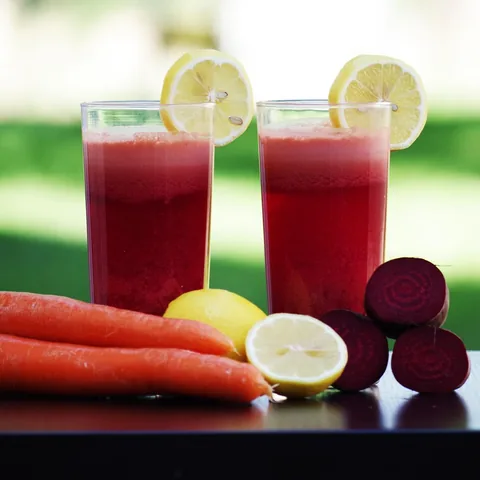
Mzhave kombosto is the most famous Georgian pickle: big wedges of cabbage fermented together with slices of raw beetroot. The beet dyes the cabbage a vivid magenta and adds a gentle sweetness to the sour, garlicky brine, while chili and celery leaves give it a kick. It is served cold as a side with meat, beans and holiday spreads, and its crunch is a welcome contrast to rich dishes.
Diets
Allergens
Contains (in a typical recipe):
What it is made of
Recipe
Ingredients
- 1 kg white cabbage, cut into wedges
- 2 medium beetroots, peeled and sliced
- 1 head garlic, cloves peeled
- 1-2 hot chili peppers
- A handful of celery leaves
- 1.5 litres water
- 45 g salt
Method
- Bring the water and salt to a boil, then cool the brine completely.
- Layer cabbage, beet slices, garlic, celery leaves and chili tightly in a large jar.
- Pour over the cooled brine to cover and weigh everything down.
- Ferment at room temperature for 4-6 days until sour and evenly pink.
- Store in the fridge and serve chilled.
How to make it lighter
- Rinse before serving if you need to watch salt.
- Add the pickles to salads instead of high-fat dressings.
- Pair with grilled meat to balance the meal with crunch and acidity.
History
Pink pickled cabbage is a winter staple in Georgian homes and a familiar sight at the country's markets. It is part of the wider mzhave tradition of preserving vegetables in salt brine.
Count it in one photo
Point your camera at the table — Me Nutrition recognises Mzhave kombosto (pickled cabbage with beet) and every other dish, with calories and macros for each. Ate only half? Slide it.
Download on the App StoreSimilar dishes
Values are estimates per 100 g for a typical recipe; home and restaurant versions vary. Diets and allergens are worked out from the ingredients of a typical recipe — always check with whoever cooked the dish. Not medical advice. Nutrition data: Me Nutrition dish database v15. How we count →