
Pollo a la brasa (Peruvian rotisserie chicken)
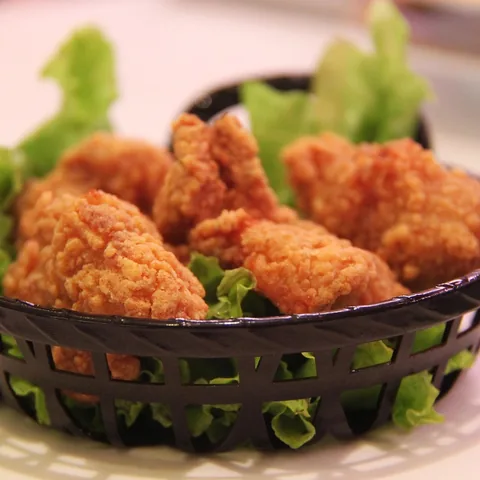
Pollo a la brasa is Peru’s beloved rotisserie chicken: a whole bird marinated with garlic, cumin, soy sauce, vinegar and ají panca, then turned slowly over charcoal or wood until the skin is bronzed and smoky. It is served with thick fries, a simple salad and a set of sauces, especially creamy ají and huacatay sauces. Sunday family dinners and celebrations often revolve around it.
Diets
Allergens
Contains (in a typical recipe):
What it is made of
Recipe
Ingredients
- 1 whole chicken, about 1.6 kg
- 6 garlic cloves, crushed
- 1 tsp ground cumin
- 2 tbsp ají panca paste
- 3 tbsp soy sauce
- 2 tbsp vinegar
- 1 tsp dried oregano
- 1 tbsp oil
- Salt and black pepper
- 800 g potatoes for fries
Method
- Blend garlic, cumin, ají panca, soy sauce, vinegar, oregano, oil, salt and pepper into a marinade.
- Rub the chicken all over and under the skin; marinate overnight in the fridge.
- Roast on a rotisserie or at 200 °C for about 75 minutes, until the juices run clear.
- Rest the chicken for 10 minutes before carving.
- Meanwhile cut and fry or bake the potatoes.
- Serve in quarters with fries, salad and ají sauce.
How to make it lighter
- Remove the skin before eating to cut fat.
- Swap fries for a large green salad or roasted vegetables.
- Choose a yoghurt-based ají sauce instead of mayonnaise-based ones.
History
The rotisserie style became popular in Lima in the mid-twentieth century, with the Chaclacayo area often credited as an early centre. Pollo a la brasa is now so widespread that Peru celebrates a national day devoted to it.
Count it in one photo
Point your camera at the table — Me Nutrition recognises Pollo a la brasa (Peruvian rotisserie chicken) and every other dish, with calories and macros for each. Ate only half? Slide it.
Download on the App StoreSimilar dishes
Values are estimates per 100 g for a typical recipe; home and restaurant versions vary. Diets and allergens are worked out from the ingredients of a typical recipe — always check with whoever cooked the dish. Not medical advice. Nutrition data: Me Nutrition dish database v15. How we count →