
Kurinaya lapsha (Russian chicken noodle soup)
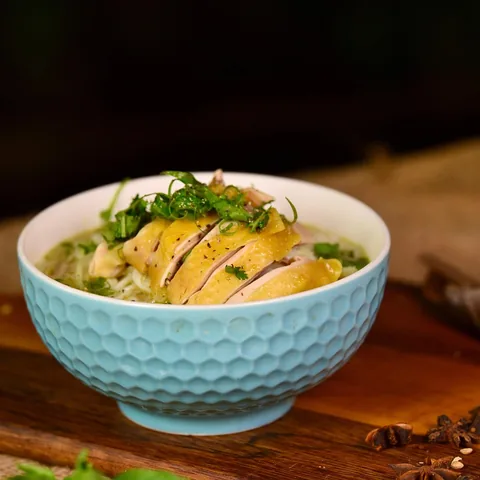
Kurinaya lapsha is a clear, golden chicken soup with thin homemade or bought egg noodles, pieces of chicken, carrot and onion. It is gentle, savory and very comforting. In Russian homes it is the classic soup for children and for anyone feeling unwell, served with plenty of dill.
Diets
Allergens
Contains (in a typical recipe):
What it is made of
Recipe
Ingredients
- 1 small chicken or 800 g chicken legs
- 150 g thin egg noodles
- 1 carrot
- 1 onion
- 2 bay leaves
- black peppercorns
- dill
- salt
Method
- Cover the chicken with 2.5 l cold water, bring to a boil and skim.
- Add the whole onion, bay leaves and peppercorns and simmer 50 minutes.
- Remove the chicken, take the meat off the bones and strain the broth.
- Add the sliced carrot and cook 10 minutes.
- Add the noodles and cook 5 minutes.
- Return the chicken, season and serve with dill.
How to make it lighter
- Remove the skin for a leaner broth.
- Use wholegrain noodles for more fibre.
- Add extra vegetables such as celery or zucchini.
History
Homemade noodles cut from rolled egg dough have long been part of Russian and wider Eastern European home cooking. Chicken noodle soup became a standard family and canteen soup in the 20th century.
Count it in one photo
Point your camera at the table — Me Nutrition recognises Kurinaya lapsha (Russian chicken noodle soup) and every other dish, with calories and macros for each. Ate only half? Slide it.
Download on the App StoreSimilar dishes
Values are estimates per 100 g for a typical recipe; home and restaurant versions vary. Diets and allergens are worked out from the ingredients of a typical recipe — always check with whoever cooked the dish. Not medical advice. Nutrition data: Me Nutrition dish database v15. How we count →