
Arroz de cuxá (Maranhão vinegar-leaf rice)
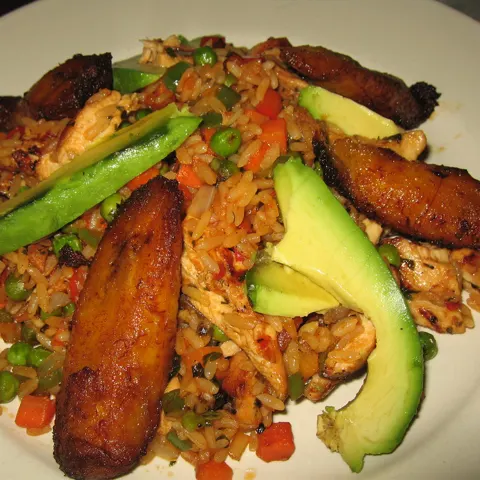
Arroz de cuxá is the signature rice of São Luís in Maranhão. The cuxá is a paste of cooked vinagreira (roselle) leaves, ground toasted sesame, dried shrimp and seasonings, stirred into rice to give it a greenish color and a pleasantly sour taste. It is usually served with fried or grilled fish and seafood.
Diets
Allergens
Contains (in a typical recipe):
What it is made of
Recipe
Ingredients
- 300 g rice
- 200 g vinagreira leaves
- 80 g dried shrimp, ground
- 40 g sesame seeds, toasted and ground
- 1 onion, chopped
- 2 garlic cloves
- 20 ml oil
- 700 ml water
Method
- Blanch the vinagreira leaves and chop them finely.
- Fry onion and garlic in oil until soft.
- Add leaves, shrimp and sesame; cook 5 minutes into a paste.
- Stir in the rice and toast briefly.
- Add water, season and simmer covered for 18 minutes until tender.
How to make it lighter
- Rinse dried shrimp to reduce salt.
- Use brown rice for more fiber.
- Serve with grilled fish rather than fried for a lighter meal.
History
Cuxá is considered one of the most typical preparations of Maranhão cuisine, often linked to the mix of African, Indigenous and Portuguese influences there. Vinagreira, a hibiscus species, grows widely in the state's gardens.
Count it in one photo
Point your camera at the table — Me Nutrition recognises Arroz de cuxá (Maranhão vinegar-leaf rice) and every other dish, with calories and macros for each. Ate only half? Slide it.
Download on the App StoreSimilar dishes
Values are estimates per 100 g for a typical recipe; home and restaurant versions vary. Diets and allergens are worked out from the ingredients of a typical recipe — always check with whoever cooked the dish. Not medical advice. Nutrition data: Me Nutrition dish database v15. How we count →