
Buchada de bode (stuffed goat stomach)
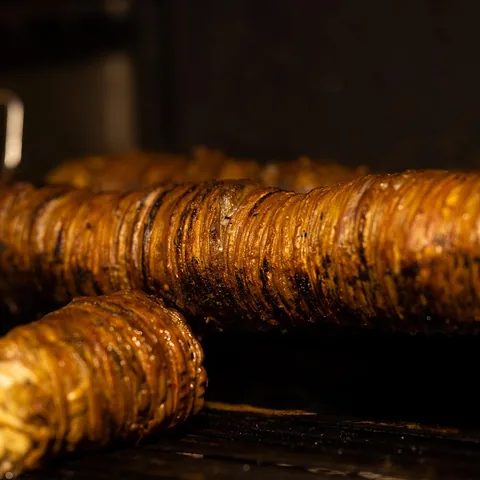
Buchada de bode is a dish of the dry sertão of the Brazilian Northeast. The goat's stomach and intestines are cleaned with lime, then filled with finely chopped liver, heart, lungs and tripe seasoned with garlic, onion, tomato, herbs and pepper. The parcel is sewn shut and simmered for hours until tender. It is sliced and served with its broth, rice, pirão or cassava flour.
Diets
Allergens
None of the 14 major allergens in a typical recipe.
What it is made of
Recipe
Ingredients
- 1 goat stomach and intestines, cleaned
- 1.5 kg goat offal (liver, heart, lungs, tripe)
- 2 onions and 2 tomatoes, chopped
- 6 garlic cloves
- juice of 4 limes, cilantro, mint, spring onion
- black pepper, cumin, salt
Method
- Clean the stomach and offal very thoroughly with lime juice and water, rinsing several times.
- Blanch the offal, then chop it finely and mix with onion, tomato, garlic, herbs and spices.
- Fill the stomach with the mixture and sew it closed with kitchen string.
- Simmer in salted water for 3–4 hours, topping up water as needed.
- Slice and serve with the broth and pirão or rice.
How to make it lighter
- Goat offal is lean and rich in iron; keep portions moderate because of cholesterol.
- Serve with vegetables instead of extra cassava flour.
- Skim the broth before using it for pirão.
History
Goats thrive in the semi-arid interior of the Northeast, and buchada developed there as a way to use the whole animal. It is often prepared for special occasions and family gatherings.
Count it in one photo
Point your camera at the table — Me Nutrition recognises Buchada de bode (stuffed goat stomach) and every other dish, with calories and macros for each. Ate only half? Slide it.
Download on the App StoreSimilar dishes


Values are estimates per 100 g for a typical recipe; home and restaurant versions vary. Diets and allergens are worked out from the ingredients of a typical recipe — always check with whoever cooked the dish. Not medical advice. Nutrition data: Me Nutrition dish database v15. How we count →