
Puttu and kadala curry (Kerala)
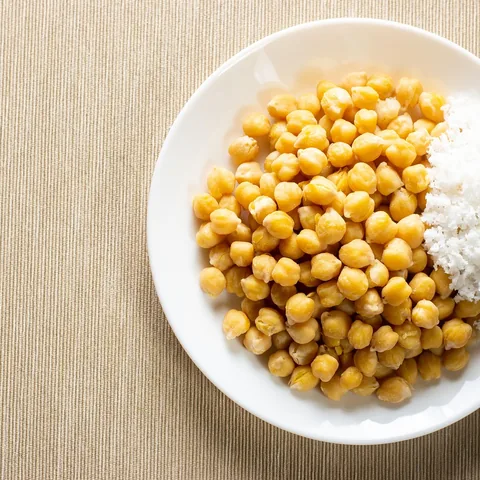
Puttu is a steamed cylinder of crumbly rice flour layered with fresh grated coconut, soft inside and slightly sweet. Kadala curry is a robust, spicy black chickpea gravy with onion, tomato and roasted coconut. The puttu is crumbled and mixed into the curry for a filling Kerala breakfast.
Diets
Allergens
None of the 14 major allergens in a typical recipe.
What it is made of
Recipe
Ingredients
- 250 g puttu rice flour
- 100 g fresh grated coconut
- 1 tsp salt
- 150 g black chickpeas, soaked overnight
- 1 onion
- 1 tomato
- 1 tbsp coconut oil
- 1 tsp mustard seeds
- 2 tsp coriander powder
- 1 tsp chilli powder
- 1 tsp garam masala
- curry leaves
Method
- Sprinkle the flour with salted water and rub to a damp crumble.
- Layer flour and coconut in a puttu steamer and steam 8-10 minutes.
- Pressure-cook soaked chickpeas until soft.
- Fry mustard seeds, onion and curry leaves in oil, then add tomato and spices.
- Add chickpeas with water, simmer 15 minutes and serve with the puttu.
How to make it lighter
- Use brown rice flour or millet for more fibre.
- Use less coconut oil and add vegetables to the curry.
- Serve smaller puttu and more chickpea curry for protein.
History
Puttu is cooked in a special cylindrical steamer and is one of the staples of Kerala breakfast tables. Kadala curry is its traditional partner, as it gives protein to a mostly starchy dish.
Count it in one photo
Point your camera at the table — Me Nutrition recognises Puttu and kadala curry (Kerala) and every other dish, with calories and macros for each. Ate only half? Slide it.
Download on the App StoreSimilar dishes

Values are estimates per 100 g for a typical recipe; home and restaurant versions vary. Diets and allergens are worked out from the ingredients of a typical recipe — always check with whoever cooked the dish. Not medical advice. Nutrition data: Me Nutrition dish database v15. How we count →